What should buyers ask their agent before making an offer in St. Louis?
Before writing an offer in St. Louis, ask your buyer's agent how they'll pull hyper-local comps, which offer terms matter most to this specific seller, how to protect yourself with an inspection contingency without losing the deal, and whether an escalation clause makes sense. St. Louis is still a seller-leaning market, but it's more negotiable than it was at the pandemic peak, and a well-prepared offer beats a rushed one every time.
Key Takeaways
- St. Louis homes averaged 44 days on market in June 2026, faster than the national median of 53 days, so buyers still need to move with a plan when the right home appears.
- An aggregated August 2026 market snapshot puts the St. Louis median listing price around $200,000 with roughly 3,600 homes for sale, making it one of the more affordable major metros in the country.
- Local reporting from spring 2026 says a competitive St. Louis listing might draw one strong offer or a handful over asking, not the 10-12 offers common during the pandemic peak, so terms and preparation matter more than panic-bidding.
- Missouri law (RSMo §339.780) legally requires your buyer's agent to help you develop, communicate, and negotiate offers and contingencies, and to answer your questions about them, so hold them to that standard.
- Tightening contingency timelines is a smarter move than waiving protections outright; local guidance consistently warns St. Louis buyers against dropping the inspection contingency entirely in competitive situations.
How competitive is the St. Louis market, and what does that mean for your offer?
St. Louis is still a seller-leaning market heading into fall 2026, but the picture is more nuanced than it was a few years ago. According to Hoodline's April 2026 reporting, sellers are still in the driver's seat due to lean supply and strong demand, but the frenzy of double-digit multiple offers has cooled considerably. St. Louis Magazine noted in January 2026 that it might take about a month to get a home under contract, and a competitive listing might get one offer over asking, not twelve.
That shift matters for how you approach an offer. You're not in a panic-bid environment, but you're also not in a buyer's market where you can lowball and negotiate at leisure. The buyers who win in this market are prepared, not just motivated.
A Realtor.com News report from July 2026 puts St. Louis homes at an average of 44 days on market in June 2026, up 10% year-over-year but still faster than the national median of 53 days. Nationally, Realtor.com's April 2026 Monthly Housing Report showed new listings up 8.7% year-over-year, which has given buyers in many markets more options. St. Louis has followed that trend to a degree, with an aggregated August 2026 snapshot from Realtor.com showing roughly 3,600 homes for sale and a median listing price around $200,000, well below the national median of $425,000.
That affordability advantage is real, but it also means St. Louis draws serious buyers. When a well-priced home hits the market in Oakville, Webster Groves, or a desirable city neighborhood, it moves. This is exactly why the conversation with your agent needs to happen before you fall in love with a house, not after.
City vs. county: why it matters for your offer
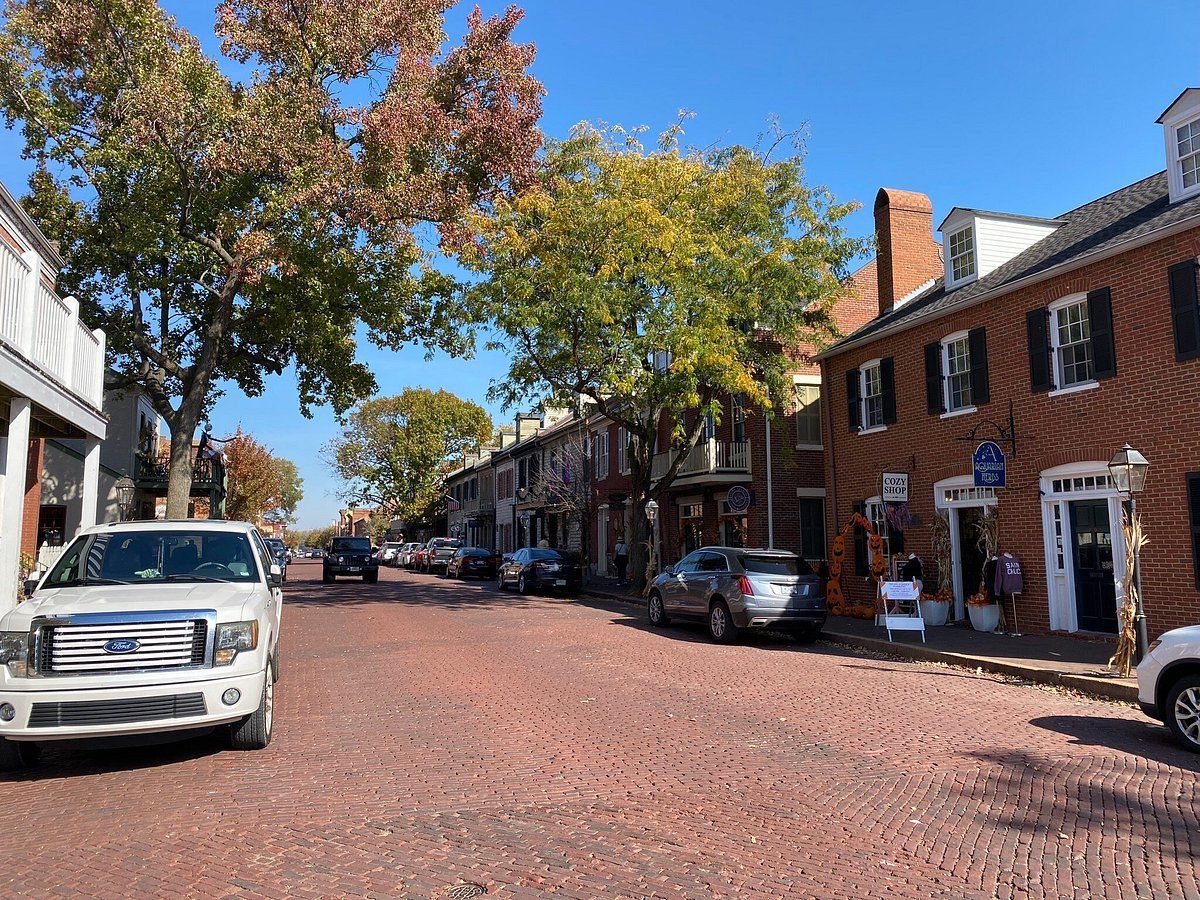
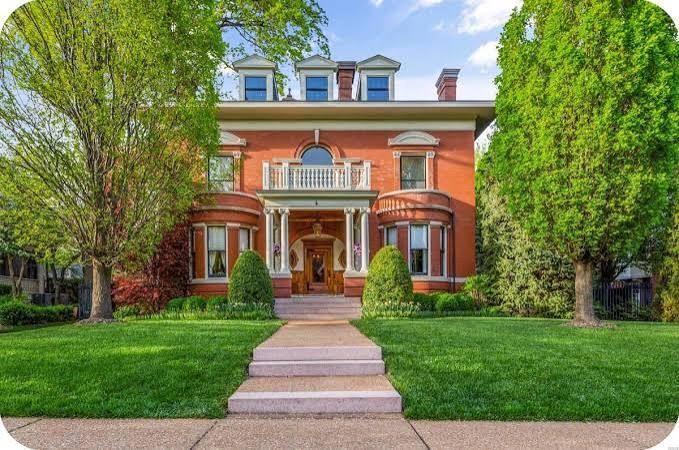
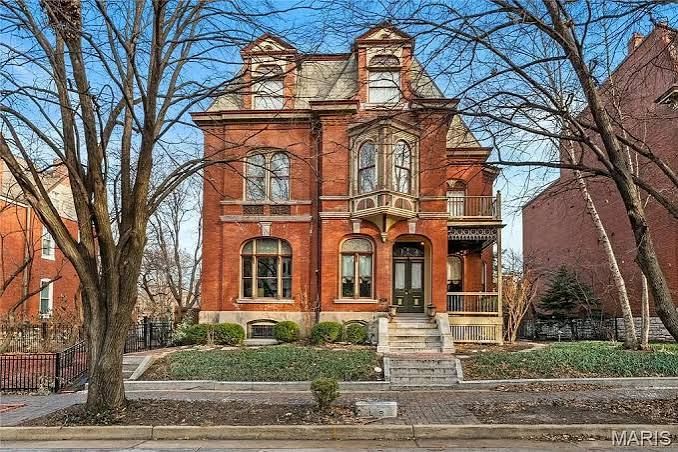
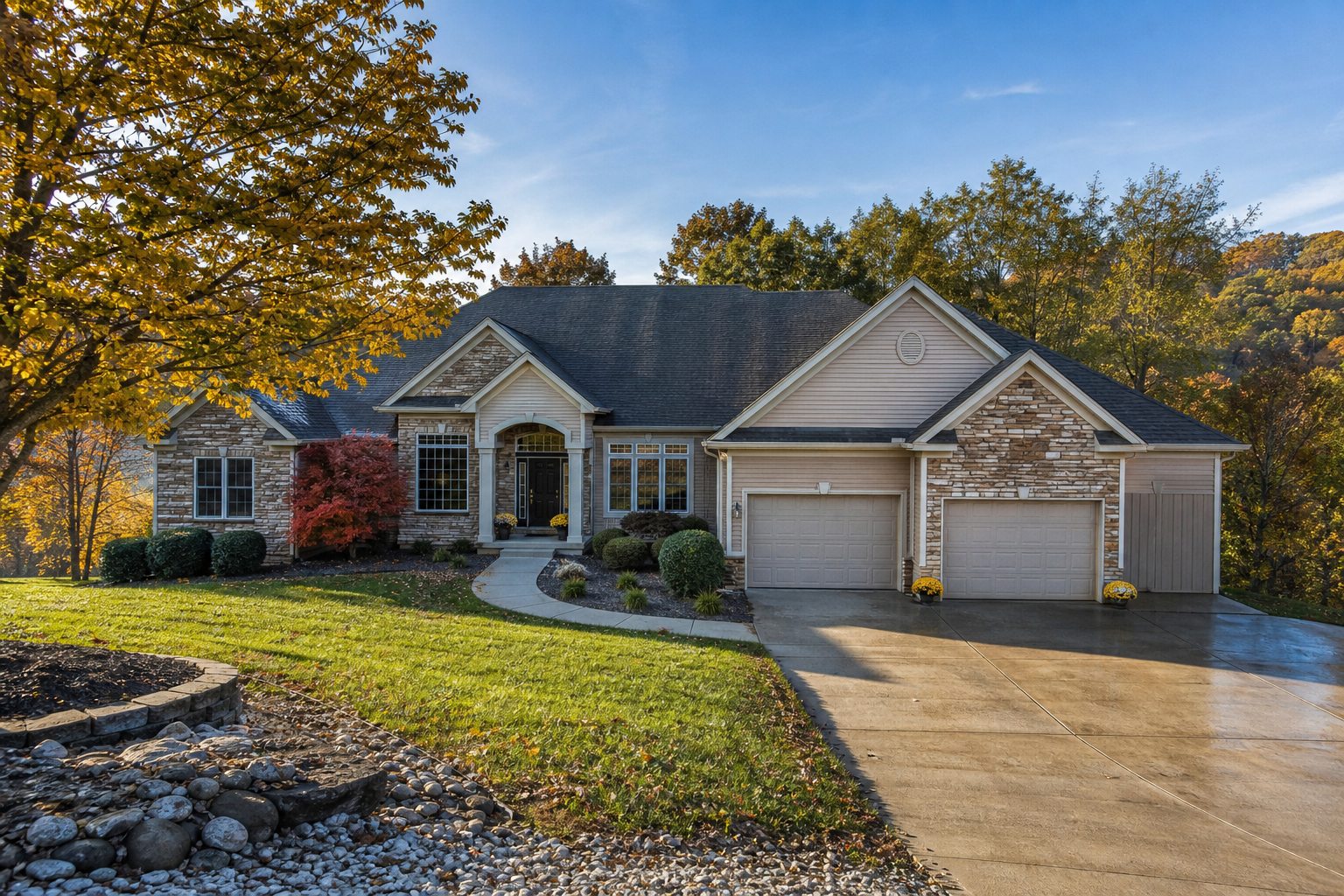
St. Louis City and St. Louis County are separate jurisdictions with different dynamics, and your offer strategy should reflect that. City housing stock skews older, often historic brick construction, with mixed zoning and different tax structures. County suburbs like Chesterfield, Arnold, and Oakville may have newer construction, different school district boundaries, and their own pricing rhythms. A good buyer's agent pulls comps within the right boundary, not just a broad radius, because pricing and demand vary sharply even block to block in some areas.
What questions should you actually ask before writing the offer?
Missouri law sets a clear floor for what your buyer's agent must do. Under RSMo §339.780, an exclusive brokerage agreement must commit your agent to presenting and negotiating offers, helping you understand counteroffers and contingencies, and answering your questions through the entire process. And under RSMo §339.740, your agent owes you good faith, loyalty, and disclosure of all adverse material facts they know or should know.
That's the legal baseline. Here's what I tell every buyer I work with to ask before we write a single word of an offer.
On pricing and comps
- What have similar homes actually sold for in the last 60-90 days, within this specific area? Not Zestimates. Not county-wide averages. Closed sales in the same neighborhood, same property type, same general condition.
- Is this home priced at, above, or below where it should be? Your agent should give you a direct answer. If it's priced below market to generate offers, your strategy is different than if it's priced optimistically.
- How long has it been on the market, and has the price changed? A home that's sat for 45 days with a price reduction tells a different story than one that listed three days ago.
On offer terms beyond price
Price gets the attention, but terms often win the deal. Ask your agent:
- What does this seller need? A fast close, a rent-back arrangement, certainty of financing? Matching a seller's timeline can be worth more than a few thousand dollars over asking.
- How much earnest money makes sense here? A stronger earnest money deposit signals commitment. The right amount varies by price point and situation, and your agent should have a read on local norms.
- Should we include an escalation clause? An escalation clause lets you automatically beat competing offers up to a hard cap you set. It works well when you know there's competition but don't want to overpay blindly. Your cap should be grounded in what the comps actually support, not just what you're willing to pay emotionally.
- What financing approach will this seller find most credible? A fully underwritten approval, where a lender has actually verified your income and assets before the offer, carries more weight than a standard pre-qualification letter. Local lenders familiar with St. Louis norms often have an edge here.
On inspection strategy
This is where I see buyers make the most costly mistakes. The Missouri Real Estate Commission's rules are clear that your buyer's agent is not your inspector and has no duty to independently verify inspection findings. What your agent can do is help you interpret whether a finding is typical for St. Louis housing stock or a genuine red flag, and help you negotiate from a position of knowledge.
Ask your agent:
- Should I waive the inspection contingency to be competitive? The short answer I give my clients is almost always no. What you can do instead is shorten the inspection window and agree to focus negotiation on major structural, safety, or system issues rather than a long list of cosmetic items. That signals seriousness without leaving you exposed.
- What inspectors do you recommend in this area? A good local inspector knows what to look for in St. Louis housing stock, whether that's aging knob-and-tube wiring in a city brick home or foundation issues common to certain soil conditions in the county.
- If the inspection turns up something significant, what are our options? Your agent should walk you through what the contract allows: requesting repairs, asking for a price reduction, or walking away within the contingency window. Know the playbook before you need it.
| Offer Element | What to Ask Your Agent | Why It Matters in St. Louis |
|---|---|---|
| Offer price | What do closed comps in this specific area support? | Pricing varies sharply by city vs. county, neighborhood, and property type |
| Earnest money | What amount signals serious commitment at this price point? | Larger deposits can differentiate your offer without changing the purchase price |
| Escalation clause | Is there enough competition to warrant one, and what's a defensible cap? | Useful in competitive situations; cap should be grounded in comps, not emotion |
| Closing timeline | What does this seller need, and can we match it? | Flexibility on possession or a rent-back can be a decisive advantage |
| Inspection contingency | How do we stay protected without looking difficult? | Tightening the window is smarter than waiving; local agents know what's typical for the housing stock |
| Financing approval | Should we get fully underwritten before we offer? | A fully underwritten approval reduces seller risk and strengthens your position |
Every situation is different, and the only way to know which of these levers matter most for a specific property is to work through it with someone who knows the local market. That's exactly the conversation I have with my buyers before we write anything.
Frequently Asked Questions
Is it still a seller's market in St. Louis in 2026, or do buyers have more leverage?
St. Louis remains seller-leaning but is more balanced than it was at the pandemic peak. Hoodline reported in April 2026 that sellers are still in the driver's seat, but the era of 10-12 offers in a single day has passed; a competitive listing today might draw a handful of serious offers, not a frenzy. Buyers who come prepared with strong terms and local knowledge have real room to compete without panic-bidding.
How fast do St. Louis homes go under contract, and how long do I have to decide?
In June 2026, St. Louis homes averaged 44 days on market, according to Realtor.com News, which is faster than the national median of 53 days. That average includes homes that sit longer and homes that move in days, so the right answer for a specific property depends on its price, condition, and neighborhood. Your agent should tell you, based on current comps, whether a home you're looking at is likely to move quickly or has room to breathe.
How can I make my offer stronger in St. Louis without waiving the inspection contingency?
Waiving the inspection entirely is a risk most buyers shouldn't take. A smarter approach is to shorten the inspection window, signal that you'll focus negotiation on major structural or safety issues rather than every cosmetic item, and pair that with other strong terms like a larger earnest money deposit, a fully underwritten approval, and a closing timeline that works for the seller. These moves collectively make your offer competitive without leaving you without recourse if something serious turns up.
What is an escalation clause, and does it make sense on a St. Louis home?
An escalation clause automatically increases your offer price above competing offers by a set increment, up to a hard cap you define. It makes sense when you expect competition but don't want to guess how high to go. The cap should be grounded in what local comps actually support, not just your maximum budget, so you don't win a bidding war at a price the appraisal won't support. Your buyer's agent should help you set both the increment and the cap based on the specific market conditions for that property.
What are my buyer's agent's legal responsibilities in Missouri when it comes to negotiating and inspections?
Under RSMo §339.740, your buyer's agent owes you good faith, loyalty, and disclosure of all adverse material facts they know or should know. Under RSMo §339.780, their exclusive agreement with you must commit them to presenting, negotiating, and explaining offers and contingencies throughout the process. However, the Missouri Real Estate Commission's rules also make clear that your agent is not obligated to conduct independent inspections; their role is to help you interpret findings and negotiate, not to inspect the property themselves.
Should I offer more earnest money to stand out in a St. Louis multiple-offer situation?
A larger earnest money deposit can signal serious commitment to a seller and differentiate your offer without changing the purchase price itself. The right amount depends on the price point, the neighborhood, and how competitive the situation is. This is a conversation to have with your agent before you write the offer, not after you've already submitted it.
The questions you ask before you write the offer shape everything that comes after. In a St. Louis market that's competitive but not chaotic, preparation and local knowledge are your real advantages. I work with buyers across Oakville, Arnold, Chesterfield, Webster Groves, and throughout the city and county, and I walk every client through exactly this conversation before we put anything in writing.
Ready to talk through your offer strategy? Call me at (314) 374-3069 or send me an email and we'll work through it together.
Equal Housing Opportunity. Cheryl Carosone, Realtor, License #2024033029. Regulated by the Missouri Real Estate Commission (MREC). Member, NAR and MARIS. This article is general information only and does not constitute legal, tax, or financial advice. Confirm your specific numbers and contract terms with your closing agent, tax advisor, or lender.