Why are condos so popular in St. Louis?
Condos are popular in St. Louis because the metro area offers an unusually broad range of condo living environments: urban neighborhoods with walkable access to restaurants, sports, and transit; historic districts with character architecture; and suburban communities where you trade the city grid for trails, parks, and a quieter pace. That variety, combined with the lower-maintenance lifestyle a condo provides, makes attached housing appealing across a wide range of buyers.
Key Takeaways
- St. Louis has 79 distinct city neighborhoods, meaning the condo market is not one monolithic option but dozens of genuinely different living environments.
- MetroLink connects downtown St. Louis, Clayton, and South St. Louis County with Lambert Airport and destinations in Illinois, giving condo buyers in transit-accessible neighborhoods a regional rail option.
- St. Louis County has more than 40 parks with trails, athletic fields, fishing, and boating, making suburban condo living a real outdoor-lifestyle option, not just a compromise.
- St. Louis County's owner-occupancy rate was 69.2% in 2024, above the 65.2% national rate, reflecting a strong ownership culture that extends to attached housing formats.
- The right condo neighborhood depends on your commute, lifestyle priorities, and budget, and those factors vary enough that a conversation with a local agent is the fastest way to narrow it down.
I work with buyers across St. Louis City, St. Louis County, Jefferson County, and St. Charles County, and I hear the same thing a lot: "I didn't realize how many condo options there were." That's partly why condos are popular in St. Louis with such a wide range of buyers, the city officially recognizes 79 distinct neighborhoods, and attached housing shows up in a meaningful way across many of them, each with its own character, price range, and lifestyle proposition.
So let me walk you through what actually drives people toward condo living here, and what you should be thinking about if you're considering it.
What makes St. Louis condo living appealing across different neighborhoods?
The short answer: location flexibility. St. Louis doesn't have just one condo market. It has several, and they serve very different buyers.
Downtown and central-city neighborhoods
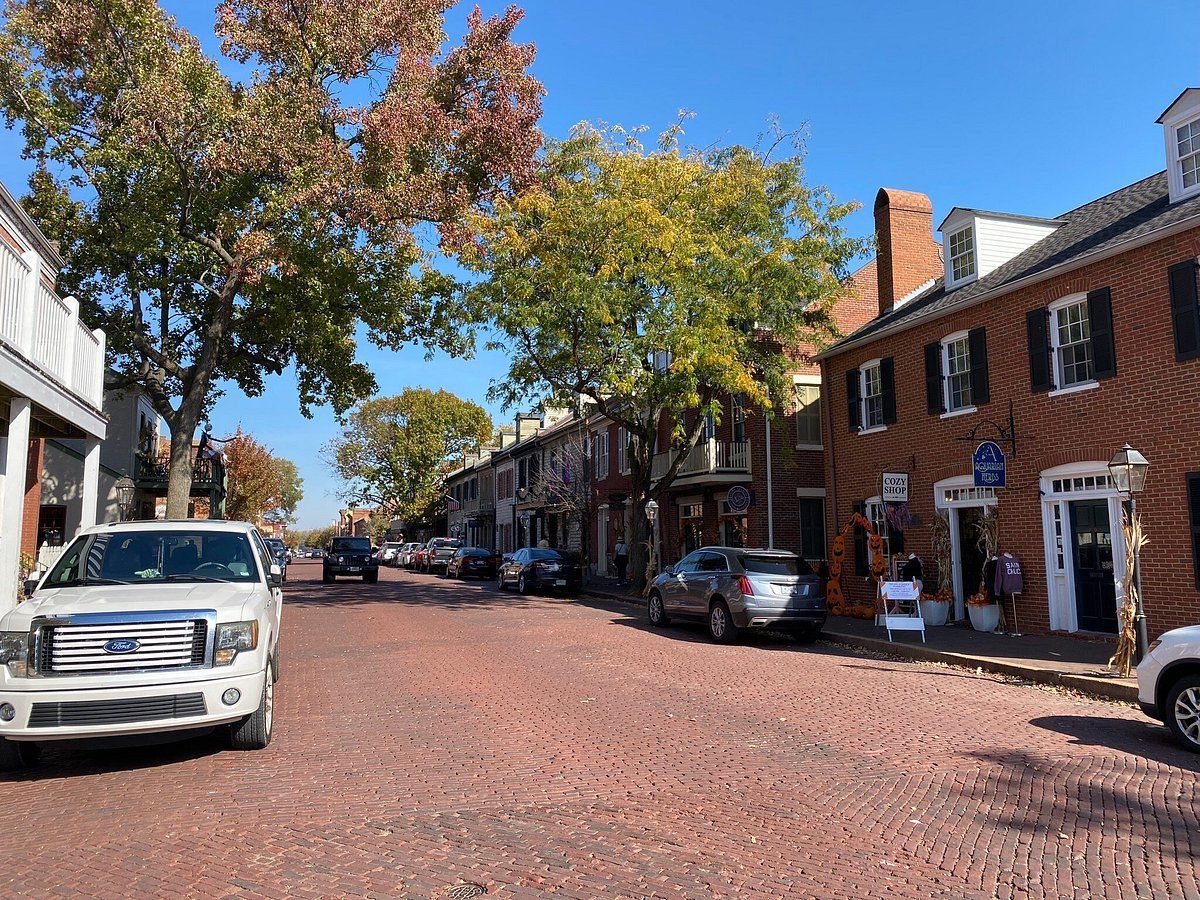
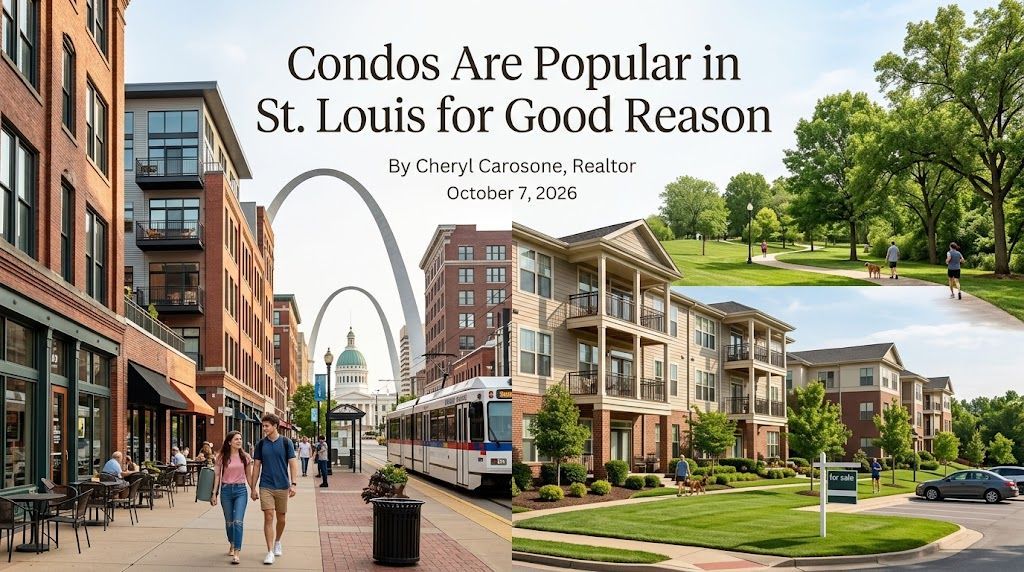
The downtown and central-city corridor, including neighborhoods like Downtown West, Lafayette Square, Soulard, and the Central West End, offers a walkable, amenity-rich lifestyle that's hard to replicate in a single-family home at a comparable price point.
Downtown residents can walk to Gateway Arch National Park, Busch Stadium, Union Station, and the St. Louis Wheel. Metro Transit also connects downtown to Forest Park attractions, the Saint Louis Art Museum, Missouri History Museum, Science Center, the MUNY, and the St. Louis Zoo, without a car.
For buyers who want to minimize car dependence, that's a genuine quality-of-life advantage. I talk to a lot of people who are tired of maintaining a yard and a vehicle and want their weekends back. A well-located downtown condo can deliver exactly that.
Historic-district character
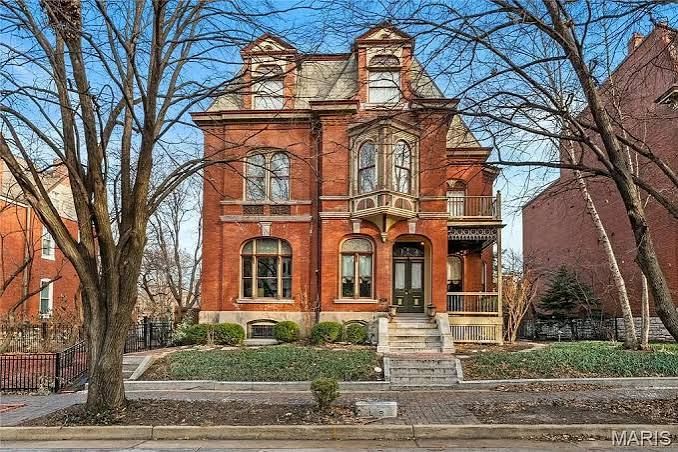
Some of the most interesting condo inventory in St. Louis sits inside converted historic buildings, warehouses, lofts, and century-old residential structures that have been updated with modern finishes. Neighborhoods like Lafayette Square and Soulard have that layered, architectural character you simply don't find in new construction.
If you're drawn to exposed brick, high ceilings, and buildings with a story, the city's historic districts are worth a close look. The tradeoff is that older buildings sometimes come with older infrastructure, so a thorough inspection and a careful review of HOA financials matter a great deal.
Suburban condo communities
Not every condo buyer wants an urban environment. St. Louis County offers a different value proposition entirely: lower-density communities, access to more than 40 county parks with hiking and biking trails, athletic fields, fishing, boating, and picnic areas, and the kind of quiet that's hard to find inside the city limits.
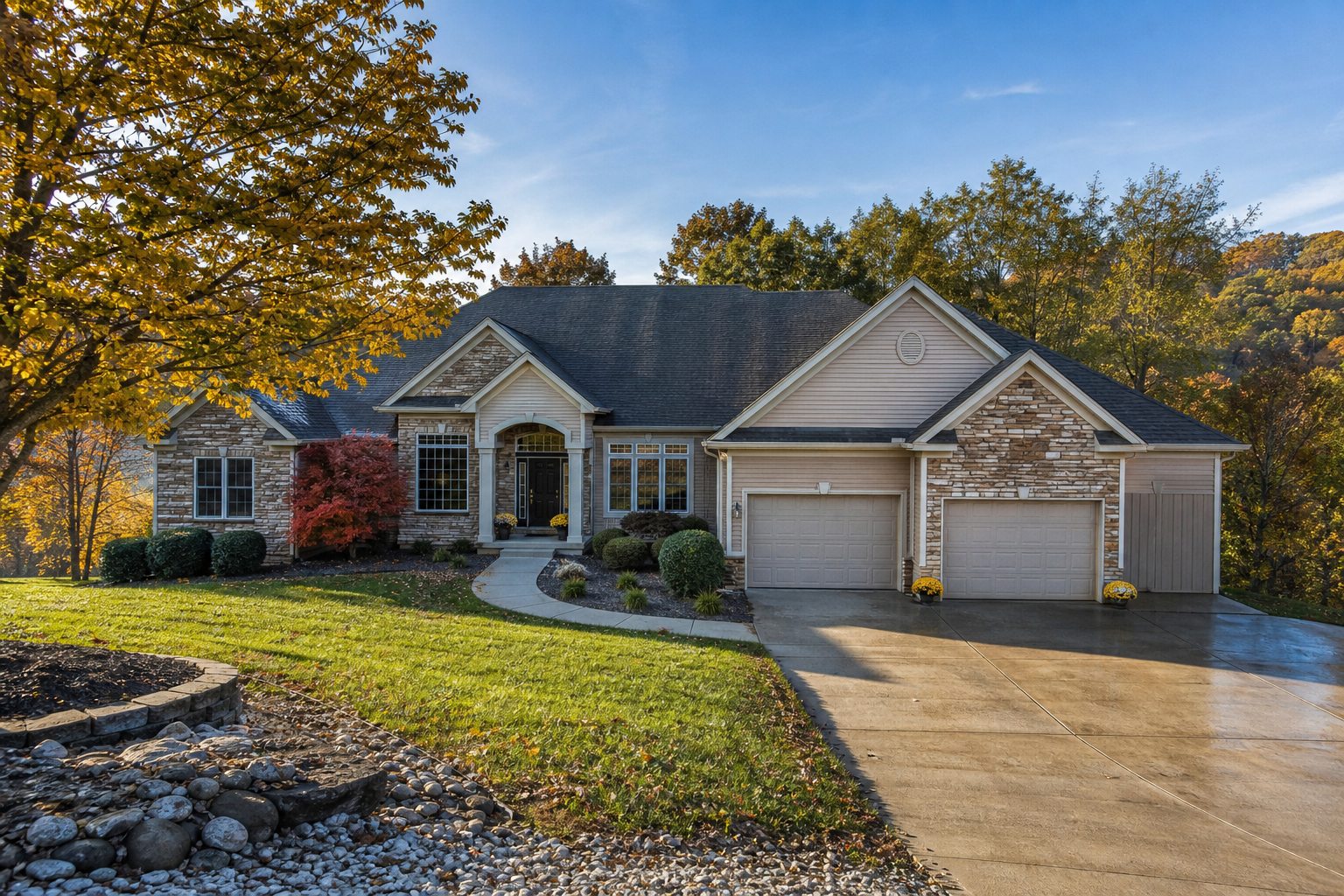
Communities in areas like Chesterfield, Arnold, and other established parts of the county have condo developments that appeal to buyers who want the maintenance-free lifestyle without the urban density. You're not giving up outdoor access, you're trading a private yard for a much larger shared green space, and for a lot of buyers that's a worthwhile swap.
What are the practical advantages of buying a condo in St. Louis?
Beyond location, there are real lifestyle and financial reasons condos are popular in St. Louis across so many buyer types. Here's what I walk my clients through most often.
Lower maintenance responsibility
This is the most consistent reason I hear. Exterior maintenance, landscaping, snow removal, and roof repairs are typically handled by the HOA, not by you. For buyers who travel frequently, work long hours, or simply don't want to spend weekends on home upkeep, that's a meaningful benefit.
The tradeoff is the monthly HOA fee, which covers those services. HOA fees in St. Louis vary widely depending on the building's age, amenities, and management structure. Before you make an offer, I always walk my clients through the HOA's financials, reserve fund balance, any pending special assessments, and the history of fee increases. A low monthly fee means nothing if the reserves are underfunded and a major repair is coming.
Transit access in the right locations
MetroLink connects Lambert-St. Louis International Airport and North St. Louis County with downtown, Clayton, South St. Louis County, and destinations in Illinois including Scott Air Force Base and Fairview Heights. If your condo is within reasonable distance of a MetroLink station, you have a regional rail option that most suburban single-family neighborhoods simply don't offer.
For commuters heading into Clayton or downtown, that's a real daily-life advantage worth pricing into your search.
Entry-point accessibility
In many parts of St. Louis, condos offer an entry point into neighborhoods where single-family homes carry a significantly higher price tag. That makes them worth a serious look for first-time buyers who want to build equity in a desirable area without stretching their budget to the limit. Every situation is different, verify your numbers with your lender, but the price-per-square-foot comparison between condos and detached homes in the same neighborhood is often compelling.
According to NAR research, attached housing continues to represent a meaningful share of the ownership market nationally, and the St. Louis metro reflects that trend. The U.S. Census Bureau reports St. Louis County had 448,637 housing units as of July 1, 2025, with an owner-occupancy rate of 69.2% in 2024, above the 65.2% national figure, which tells you this is a market where ownership is the norm across housing types.
| Condo Living Environment | Key Appeal | Transit Access | Outdoor Amenities |
|---|---|---|---|
| Downtown / Central City | Walkability, dining, sports, culture | MetroLink, Metro Bus | Gateway Arch National Park, Forest Park |
| Historic Districts (e.g. Lafayette Square, Soulard) | Architectural character, community feel | Metro Bus corridors | Neighborhood parks, riverfront |
| Inner-Ring Suburban (e.g. Clayton area) | Employment proximity, walkable retail | MetroLink (Clayton station) | County park system |
| Outer Suburban (e.g. Chesterfield, Arnold) | Lower density, quiet surroundings | Limited; primarily car-dependent | 40+ St. Louis County parks |
What to watch for before you buy
Condos are popular in St. Louis for good reasons, but they come with purchase considerations that don't apply to single-family homes. Here's what I walk every condo buyer through before we move forward:
- HOA documents: Request the current budget, reserve study, meeting minutes from the past two years, and any pending litigation. These tell you more about a building's health than the listing photos.
- Special assessments: Ask whether any are pending or have been levied in the past five years. A surprise assessment can add thousands to your cost of ownership.
- Financing eligibility: Not every condo building is approved for conventional or FHA financing. Check with your lender early, the CFPB's mortgage resources are a good starting point for understanding your loan options.
- Rental restrictions: Some HOAs cap the percentage of units that can be rented. If you ever plan to rent the unit, confirm the rules before you're under contract.
- Pet and use policies: These vary widely. If you have a dog or run a home-based business, read the CC&Rs carefully.
Your specific situation, building type, financing, intended use, shapes which of these factors matters most. That's where a local agent who knows the St. Louis condo inventory earns their keep.
If you want to see how your options stack up across neighborhoods, I'm happy to pull a current list and walk through it with you. Visit my website to get a sense of what I cover, or reach out directly.
Ready to talk through your condo search? I'd love to hear what you're looking for. You can call or text me at (314) 374-3069 or send me an email and we'll figure out where to start.
You're also welcome to read what past clients have said, check out my reviews on Google to hear about their experience working with me.
Frequently Asked Questions
Are condos in downtown St. Louis cheaper than single-family homes in the suburbs?
It depends on the specific building, neighborhood, and what you're comparing, and current pricing requires a live market search to answer accurately. What I can tell you is that in many cases, a downtown condo offers a lower purchase price than a comparable suburban single-family home, though you'll also factor in monthly HOA fees that don't apply to most detached homes. The best way to compare total cost of ownership is to run the numbers side by side with your lender and a local agent who knows both markets.
Which St. Louis neighborhoods are good for condo living?
St. Louis has 79 officially recognized city neighborhoods, and meaningful condo inventory exists across many of them. Downtown, Downtown West, Lafayette Square, Soulard, and the Central West End are frequently cited for urban condo living, while inner-ring suburban areas in St. Louis County, including communities near Clayton and along the MetroLink corridor, offer a different pace. The right neighborhood depends on your commute, lifestyle priorities, and budget, and those factors are worth talking through with someone who covers the full metro.
Are downtown St. Louis condos convenient for commuters?
For commuters heading into downtown or Clayton, a well-located condo can be genuinely convenient. MetroLink connects downtown St. Louis, Clayton, and South St. Louis County with Lambert Airport and destinations in Illinois, so buyers near a station have a regional rail option. Commuters heading to suburban employment centers will typically still need a car, so proximity to major highways matters in those cases.
Do St. Louis condos offer better low-maintenance living than detached homes?
Generally, yes. In most St. Louis condo communities, the HOA handles exterior maintenance, landscaping, snow removal, and common-area repairs, which removes a significant time and cost burden from the owner. The tradeoff is a monthly HOA fee, and the value of that fee depends heavily on how well the association is managed and funded. Before buying, always review the HOA's reserve fund and recent meeting minutes, a well-run HOA is one of the best things a condo can have.
What should first-time buyers know about buying a condo in St. Louis?
The most important thing first-time buyers often miss is that condo financing works differently than single-family financing. Not every building qualifies for conventional or FHA loans, so confirm your building's eligibility with your lender before you fall in love with a unit. Beyond financing, review the HOA documents carefully, the budget, reserve study, and any pending special assessments tell you a great deal about what you're actually buying into.
Equal Housing Opportunity. Cheryl Carosone, Realtor, License #2024033029. Regulated by the Missouri Real Estate Commission (MREC). Member: NAR, MARIS. This article is general information only and does not constitute legal, tax, or financial advice. Confirm your specific costs and financing details with your closing agent, tax advisor, or lender.