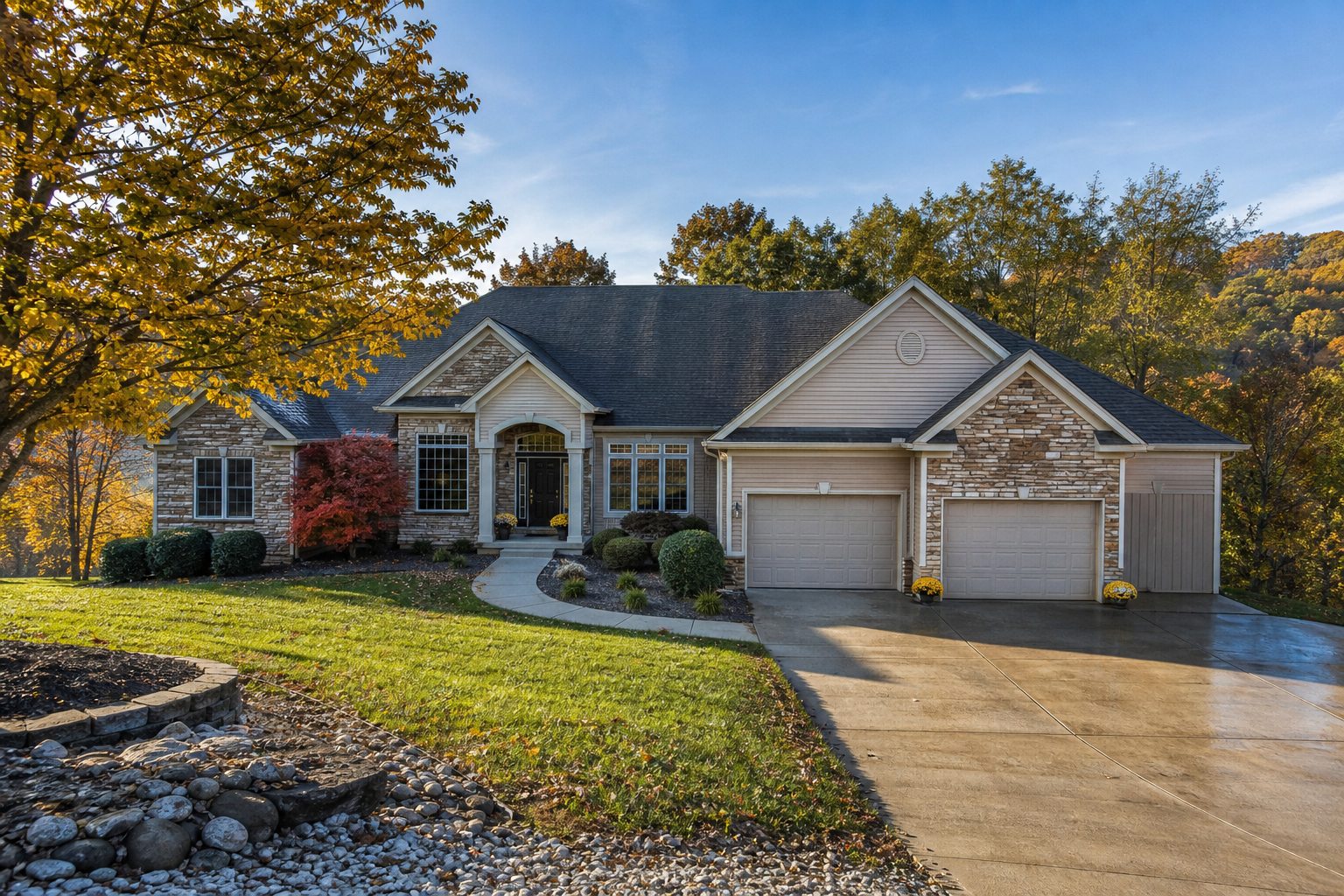
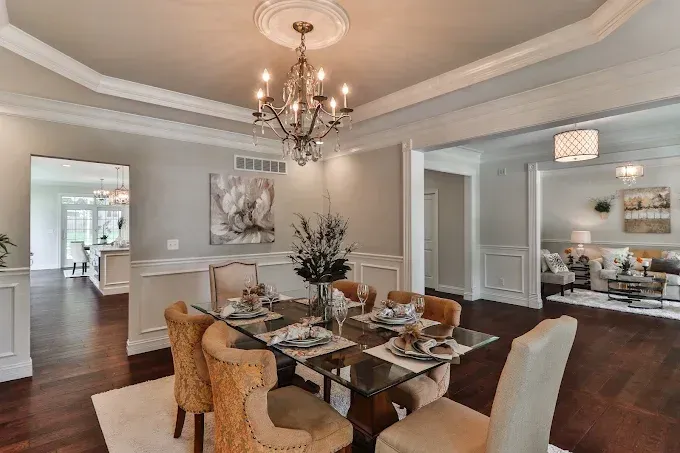
Is home staging worth the cost for sellers in St. Charles and St. Louis?
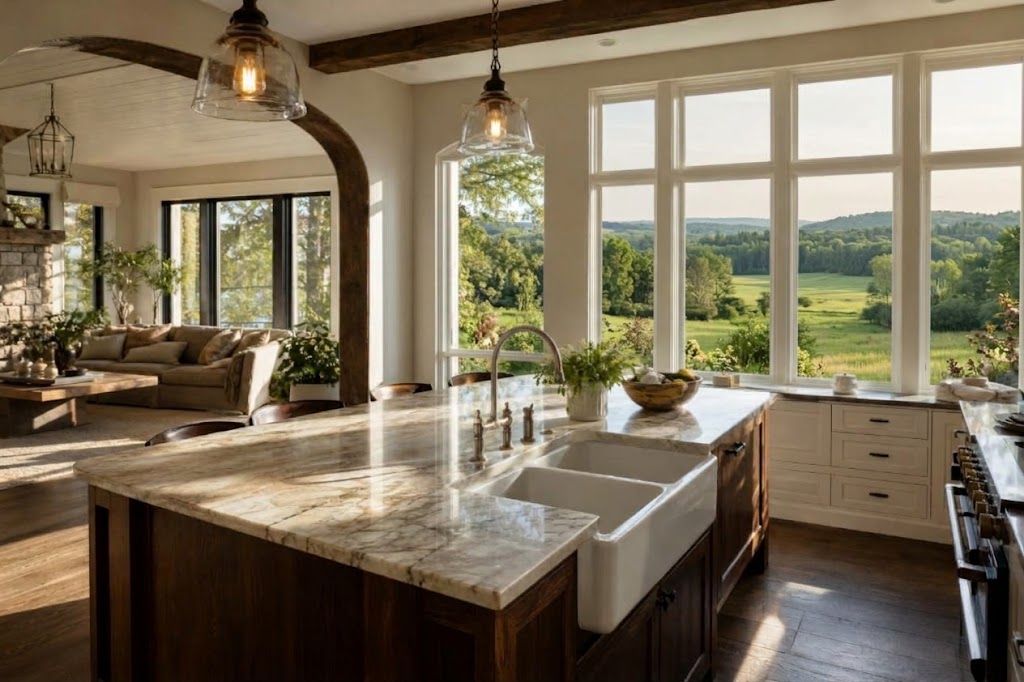
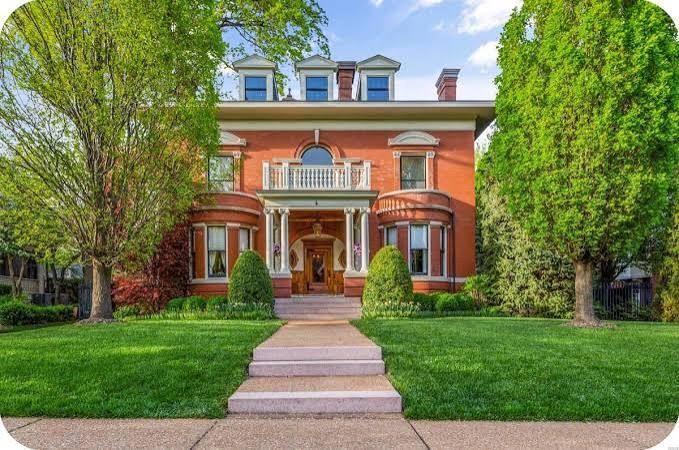
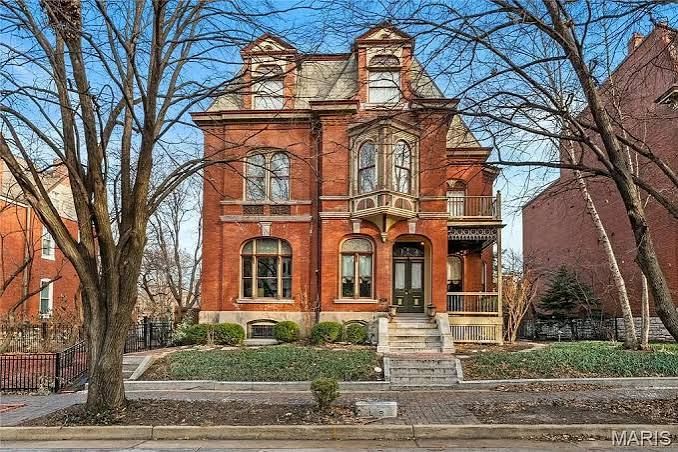
Home staging can help St. Louis area sellers attract stronger offers and faster closings, but whether it's worth the investment depends on your home's condition, price point, and how competitive your specific segment of the market is. Vacant, dated, or cluttered homes typically see the biggest return. In a market where some St. Charles homes are going pending in under a week, staging is less about getting any offer and more about positioning for the best one.
Key Takeaways
- St. Charles city homes sold at a median $360,000 over the three months ending August 2026, with an average of 9 days on market, according to Redfin, a fast pace that makes first impressions count.
- Sale-to-list price ratios in St. Charles are running at 100% per Realtor.com's August 2026 snapshot, meaning staged homes compete for top-of-range offers, not just any offer.
- Staging is most likely to pay off when a home is vacant, has dated finishes, or is competing against similar listings in the same price band.
- Partial staging, focusing on the living room, primary bedroom, and kitchen, often delivers more impact per dollar than furnishing every room.
- In a fast market, a well-staged home can reduce the risk of a price reduction by making a strong visual case from day one online.
What does the St. Charles market actually look like right now, and why does it matter for staging?
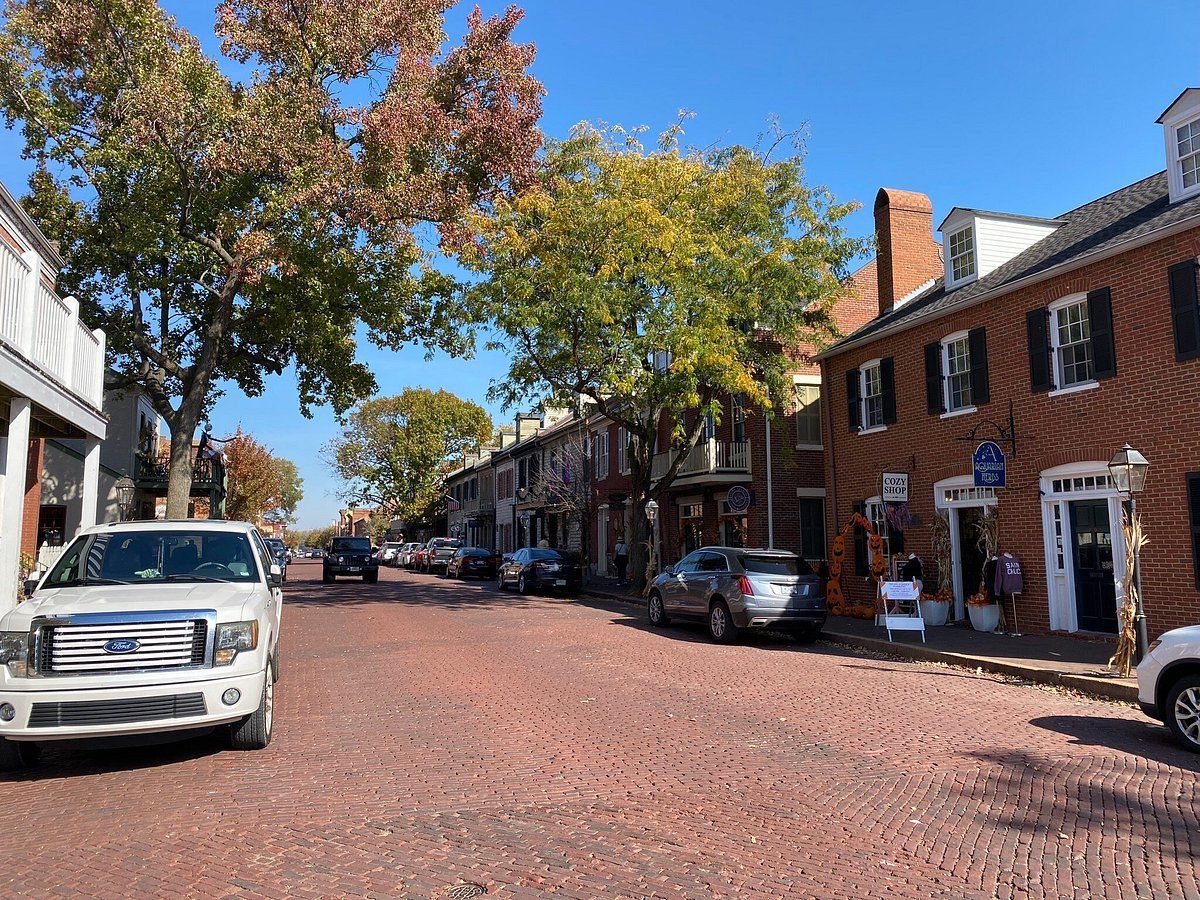
Before deciding whether to stage, you need an honest read on your market segment. The St. Charles area is not one uniform market, and the data reflects that clearly.
According to Redfin's most recent report covering the three months ending August 2026, homes in St. Charles city sold at a median of $360,000 and spent an average of 9 days on market. At the county level, St. Charles County's Redfin data for the same period shows a median sale price of $369,000 and 16 days on market. Meanwhile, the Federal Reserve Bank of St. Louis tracking series for St. Charles County puts the median listing price at $419,900 in August 2026, a figure that reflects active listings, not closed sales.
Here's what those numbers tell me as a seller's agent: the gap between a $369K median sale and a $419K median list price means not every home is selling quickly or at ask. Some properties are sitting. Realtor.com's August 2026 county snapshot shows about 2,500 active listings and 42 median days on market, a very different picture from Redfin's 16-day average. Both can be true at once. Fast-moving, well-presented homes are pulling the average down, while overpriced or under-prepared listings are pulling it up.
That's exactly where staging enters the conversation. If your home is competing in a segment where buyers have options, presentation can be the difference between a strong offer in the first week and a price reduction in week three.
| Data Source | Geography | Median Sale / List Price | Days on Market | Period |
|---|---|---|---|---|
| Redfin | St. Charles city | $360,000 (sold) | 9 days avg. | 3 months ending Aug. 2026 |
| Redfin | St. Charles County | $369,000 (sold) | 16 days avg. | 3 months ending Aug. 2026 |
| Realtor.com | St. Charles city | $389,000 (list) | 38 days median | August 2026 |
| Realtor.com | St. Charles County | $425,000 (list) | 42 days median | August 2026 |
| FRED (Federal Reserve) | St. Charles County | $419,900 (list) | N/A | August 2026 |
What sale-to-list ratios tell you about staging's role
The Realtor.com snapshot for St. Charles city shows a 100% sale-to-list ratio. That means buyers are paying asking price on average. In a market like that, staging isn't about getting an offer, it's about making sure you're positioned at the top of the range, not the bottom, and that your home doesn't sit long enough to attract the "what's wrong with it?" question.
What are your staging options, and how do you choose the right level?
Staging isn't all-or-nothing. There's a spectrum of service levels, and the right one depends on your home's condition, whether it's occupied or vacant, and your budget. Here's how I walk my clients through the options.
Staging consultation only
A professional stager walks your home and gives you a written report: what to remove, what to rearrange, what to repair, and how to set up each room for photography. You do the work yourself using your own furniture. This is the most affordable entry point and often delivers a strong return because the biggest staging problems, clutter, personal photos, furniture that blocks sightlines, bad lighting, cost nothing to fix.
I recommend this level for occupied homes that are already in reasonable condition. A good consultation can transform how a home photographs without spending much at all.
Partial staging (occupied home)
The stager brings in select accent pieces, art, bedding, throw pillows, plants, mirrors, to layer on top of your existing furniture. This is especially effective when your furniture is functional but dated or mismatched, and you need the listing photos to look polished. The stager typically focuses on the rooms that matter most: the living room, primary bedroom, and kitchen.
According to NAR's Profile of Home Staging, the living room, primary bedroom, and kitchen are consistently the rooms that most influence buyer decisions, which is why partial staging focused on those three spaces often delivers more impact per dollar than furnishing every room.
Full vacant-home staging
This is the most significant investment: a stager furnishes the entire home (or the key rooms) with rented furniture and decor, typically for a set rental period. Vacant homes almost always benefit from this level of staging. Empty rooms photograph poorly, feel smaller than they are, and make it harder for buyers to visualize scale and function. If you've already moved out, this is the option I push hardest for, the cost of staging a vacant home is almost always less than your first price reduction.
The specific cost for any of these tiers varies based on the size of your home, the stager's experience, how many rooms are involved, and how long the furniture rental runs. Because staging pricing varies significantly by provider and scope, I always recommend getting two or three quotes from local stagers and comparing what's included. What I can tell you is that the staging investment is almost always a fraction of what a price reduction costs you.
When to skip staging entirely
Staging isn't always the answer. Here are the situations where I'd tell a seller to put that money elsewhere:
- Your home is already move-in ready and well-presented. If it photographs beautifully and is priced correctly, staging may add cost without adding value.
- You're selling a teardown or major fixer. Buyers purchasing a property for land value or a full gut renovation aren't making decisions based on furniture placement.
- The home is priced significantly below market. If you're already the best value in the neighborhood, you'll get activity without it.
- Your timeline or budget genuinely can't absorb it. In that case, a consultation-only approach and a deep clean will still move the needle.
Every situation is different, and the only way to know for sure is to walk the home together and look at what's competing in your price range right now. That's a conversation I have with every seller before we decide on a staging strategy.
If you want to know how other sellers in St. Charles and across the St. Louis metro have experienced working with me, I'd invite you to read my Google reviews, they'll give you an honest sense of what the process looks like.
Deciding whether to stage, and at what level, is exactly the kind of question I work through with my sellers before we ever list. If you're thinking about putting your home on the market, call or text me or send me an email and we'll look at your specific home, your competition, and whether staging makes sense for your situation.
Frequently Asked Questions
How much does home staging cost in St. Louis?
Staging costs in the St. Louis metro vary widely based on service level, home size, and how long furniture is rented. A consultation-only service is the most affordable option, while full vacant-home staging with furniture rental is the most significant investment. Because pricing depends heavily on the scope of work and the individual stager, I recommend getting two or three quotes from local professionals and comparing what each includes before committing.
Is staging a house worth it in St. Charles, MO?
For most sellers in St. Charles, staging is worth considering, especially if the home is vacant, has dated finishes, or is competing against similar listings in the same price band. According to Redfin's most recent data, St. Charles city homes sold at a median of $360,000 with an average of 9 days on market through August 2026, which means first impressions matter fast. Staging positions your home to compete for top-of-range offers rather than simply attract any offer.
Do empty homes sell better when they are staged?
Yes, in most cases. Vacant homes tend to photograph poorly, feel smaller than they are, and make it harder for buyers to visualize how they'd actually live in the space. Full staging for a vacant home typically costs far less than a price reduction, and a price reduction is often what happens when an empty home sits on the market without generating strong early offers.
Should I stage only the main rooms or the whole house?
For occupied homes, focusing on the living room, primary bedroom, and kitchen delivers the most impact per dollar. NAR's Profile of Home Staging identifies these as the rooms that most influence buyer decisions. For vacant homes, staging at least the main living areas and primary bedroom is strongly recommended, with additional rooms depending on budget and the home's price point.
When is home staging not worth the money?
Staging is less likely to move the needle when a home is already move-in ready and photographs well, when it's priced significantly below market and will generate activity regardless, or when it's a teardown or major renovation project where buyers are focused on the land or the bones rather than the presentation. In those cases, a deep clean and a consultation-level review of the space is usually enough.
Does home staging help homes sell faster in a hot market?
Even in a fast market, staging helps because speed alone doesn't guarantee the best price. Realtor.com's August 2026 data for St. Charles shows a 100% sale-to-list ratio, meaning buyers are paying asking price on average, staged homes are better positioned to hit the top of that range rather than accept the first offer that comes in. In a competitive segment, presentation quality is what separates a strong offer from a so-so one.
The right staging decision comes down to your specific home, your price point, and what's competing against you right now. I walk every seller through this before we list, it's one of the most practical conversations we have. Call or text me at 314-374-3069 or drop me an email and let's talk through what makes sense for your home.
Equal Housing Opportunity. Cheryl Carosone, Realtor, License #2024033029. Regulated by MREC. Member, NAR and MARIS. This article is general information only and does not constitute legal, tax, or financial advice, confirm your specific costs and transaction details with your closing agent, tax advisor, or lender.