St. Louis Condos: Urban Living with Style
This is a subtitle for your new post
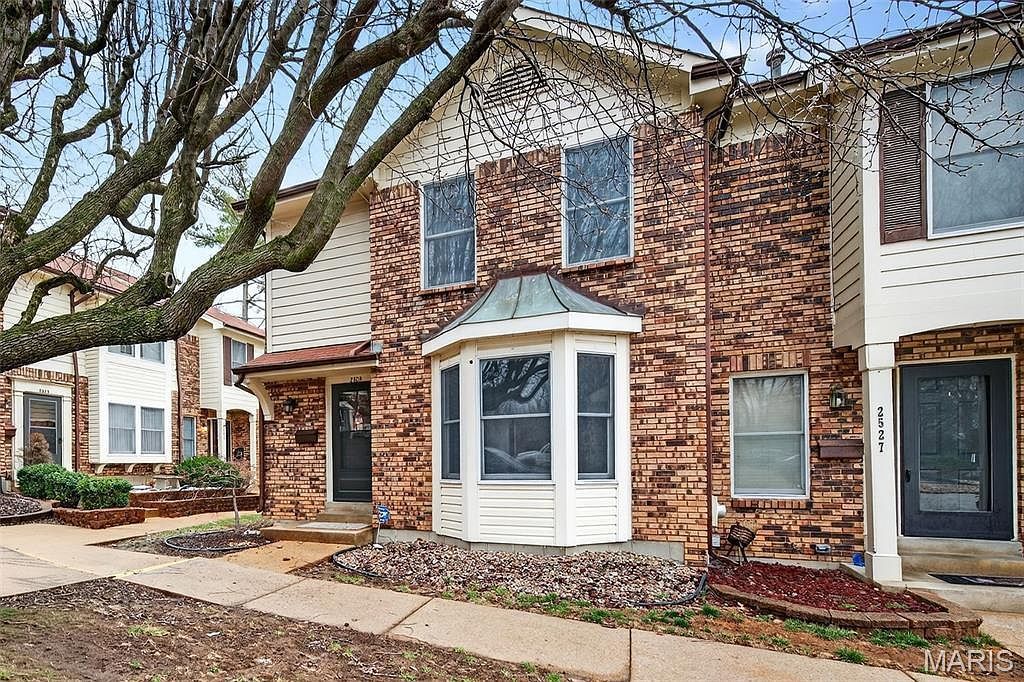
St. Louis condos offer a lower-priced entry into city living compared to single-family homes, with the April 2026 median condo price sitting at $220,000 versus $325,000 for detached homes. Buyers have more negotiating room in today's condo market, with inventory near 3.5 months' supply and average days on market at 51 days.
Are St. Louis condos a smart way to buy into the city in 2026?
Yes. As of April 2026, the median sale price for condos and townhomes in St. Louis was $220,000, compared to $325,000 for single-family homes, according to St. Louis REALTORS®. The condo segment is also closer to a balanced market, with more inventory and longer average days on market, giving buyers more time and leverage than they'd find in the single-family space.
If you've been priced out of the detached-home market or you're drawn to the energy of city living, a St. Louis condo deserves a serious look. Here's what I tell every buyer who asks me about it.
What the 2026 St. Louis Condo Market Actually Looks Like
The condo market in St. Louis is behaving differently from the single-family market right now, and that gap matters for buyers.
According to the St. Louis REALTORS® April 2026 market report, the median condo and townhome sale price was $220,000, while single-family homes hit $325,000, up 11.3% year over year. That's a $105,000 gap. For a buyer stretching to get into homeownership, that difference is significant.
Average days on market for condos rose to 51 days in April 2026, up from 41 days in April 2025. Months' supply for condos reached 3.5 months, compared to just 2.3 months for single-family homes. In practical terms, that means you're less likely to find yourself in a bidding war on a condo than on a house in the same price range.
For broader context, Redfin's citywide data (all property types) shows St. Louis home prices up 6.9% year over year through June 2026, with a citywide median around $265,000. That's a national portal estimate, not MLS data, but it confirms the overall direction: prices are up across the board, and condos still represent the lower end of that range.
The
Federal Reserve Bank of St. Louis tracks metro-level listing prices through its FRED database, which showed a median listing price of $290,000 for the St. Louis metro in June 2026. Again, that's all property types, but it helps frame where condos sit relative to the broader market.
| Market Indicator | Condos / Townhomes | Single-Family Homes |
|---|---|---|
| Median Sale Price (April 2026) | $220,000 | $325,000 |
| Avg. Days on Market (April 2026) | 51 days | 41 days (SFR comparison) |
| Months' Supply (April 2026) | 3.5 months | 2.3 months |
| Year-over-Year Inventory Change | +12.9% | Lower relative growth |
Source: St. Louis REALTORS® April 2026 Market Infographic
This is exactly the kind of data I walk my buyers through before we ever start touring. The numbers tell you where you have leverage, and right now, the condo segment gives buyers more room to breathe.
Where St. Louis Condo Living Actually Works
St. Louis has a handful of neighborhoods where condo living isn't just a compromise, it's the lifestyle. Here's how I think about them with my clients.
Downtown St. Louis
Downtown offers loft conversions and mid-rise condos within walking distance of Busch Stadium, the Gateway Arch grounds, and major employers. If your priorities are walkability, transit access, and being close to Cardinals games and live events, downtown makes a compelling case. MetroLink light rail and city bus routes give you real alternatives to driving, which matters a lot when you factor in parking costs.


Central West End
Central West End is anchored by Washington University Medical Center and Barnes-Jewish Hospital, surrounded by dense dining and retail, and full of historic architecture. Condos here tend to trade at a premium because of the amenity density and the prestige of the neighborhood. If you work in the medical corridor or want to be within walking distance of some of the best restaurants in the city, this is worth the extra budget.
Soulard and Lafayette Square
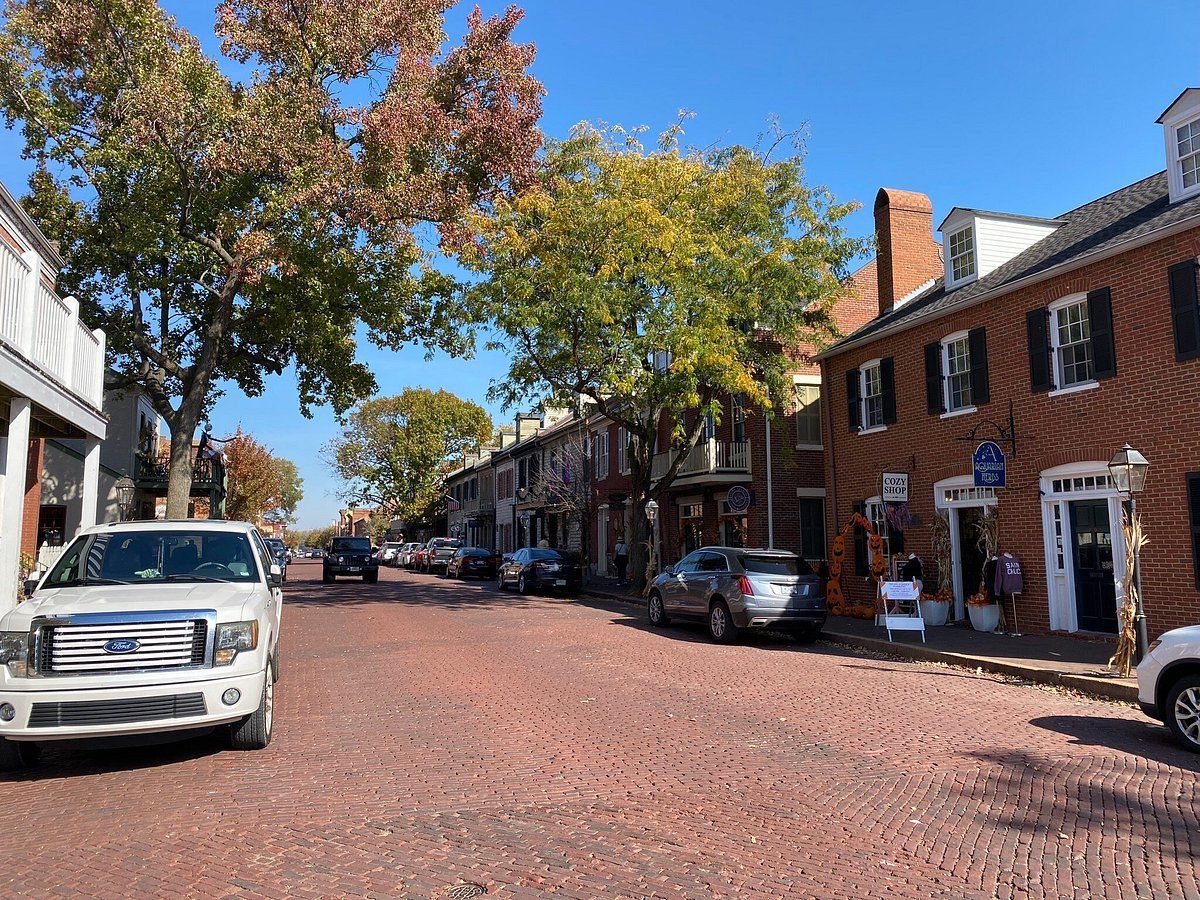
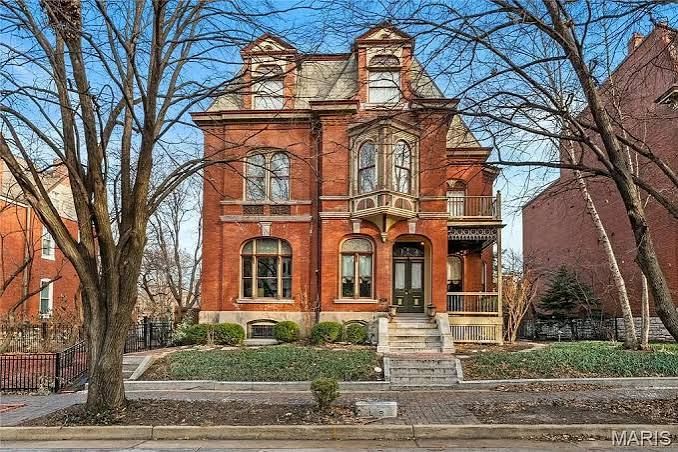
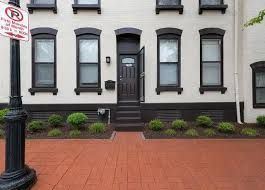
These historic districts are known for brick townhomes and smaller condo buildings with walkable streetscapes, local bars and restaurants, and quick access to downtown. If you want the feel of a tight-knit urban neighborhood without the high-rise price tag, Soulard and Lafayette Square are worth a serious look.

Clayton
Clayton functions as an urban core even though it's technically an inner-ring suburb. High-rise and mid-rise condos sit near office towers, retail, and some of the best dining in the metro. For professionals who want urban density with strong municipal services, Clayton is one of the most compelling condo markets in the region.
The Grove, Midtown, and the Delmar Loop
These corridors are seeing continued condo and apartment development near arts venues, nightlife, and transit. If you're drawn to an emerging neighborhood with energy and walkability, these areas offer options at a range of price points.
Your specific fit depends on your commute, your lifestyle priorities, and what your budget actually buys in each area. That's a conversation I have with every condo buyer before we start touring, because the right neighborhood changes everything about whether a condo works for you long-term.

What to Know Before You Buy: Financing, HOAs, and the Fine Print
Buying a condo isn't the same process as buying a house, and a few things can trip up buyers who don't know what to look for.
Financing a condo works differently
Lenders often have project-approval requirements that don't apply to single-family purchases. They'll look at the building's owner-occupancy ratio, whether the HOA has adequate reserves, and whether the association is involved in any active litigation. If a building doesn't meet underwriting standards, your loan options may be limited. This is one of the first things I help my buyers check before they get attached to a specific unit. Verify the details with your lender early, not after you're under contract.
HOA rules and fees are part of the deal
Every condo comes with a homeowners association, and that association governs more than just landscaping. Rules typically cover pets, rental restrictions, noise, balcony use, and common area access. In historic conversions, enforcement can be stricter. In newer buildings, the HOA often covers amenities like fitness centers, rooftop decks, and secure parking, which can offset some of the fee cost when you factor in what you'd otherwise pay separately.
The HOA budget and reserve fund are worth scrutinizing. A building with underfunded reserves can mean a special assessment in your future. I always recommend that my buyers review the full HOA document package, including bylaws, meeting minutes, and the most recent budget, before they finalize a purchase.
Missouri Revised Statutes and the Missouri Real Estate Commission govern disclosure requirements for condo purchases in Missouri, including the documents sellers and associations are required to provide. Your attorney can walk you through what you're entitled to receive and review.
Insurance is different for condos
As a condo owner, you'll typically carry an HO-6 policy covering the interior of your unit, your personal property, and your liability. The association carries a master policy on the building structure and common areas. The interaction between those two policies, especially around deductibles and what's covered in the event of a claim, is worth discussing with a licensed insurance professional before you close. Don't assume the master policy covers everything.
The broader supply picture supports urban condos long-term
According to a Northmarq multifamily market report, the St. Louis metro absorbed roughly 1,400 multifamily units annually from 2020 to 2024, while new construction supply peaked in 2022 and declined by about 50% by 2025. That dynamic, steady demand against a moderating supply pipeline, tends to support the long-term value of well-located existing condos and urban attached housing.
A Yardi Matrix May 2026 report also notes that metro occupancy sits at 93.4%, slightly below the national average of 94.3%, which means renters and buyers have a bit more choice in St. Louis than in tighter markets. That's useful context if you're weighing whether to keep renting or make the move to ownership.
Every condo purchase has its own set of variables, and the only way to know whether a specific building and unit makes sense for you is to run through the details with someone who knows this market. That's where I come in.
Frequently Asked Questions
Are condos in St. Louis more affordable than single-family homes right now?
Yes, by a meaningful margin. According to St. Louis REALTORS®, the median condo and townhome sale price in April 2026 was $220,000, compared to $325,000 for single-family homes. That $105,000 gap makes condos one of the more accessible entry points into St. Louis homeownership, particularly for first-time buyers or those downsizing from a larger home.
How has the St. Louis condo market changed in 2025 and 2026?
The condo segment has become more balanced compared to the single-family market. Average days on market for condos rose from 41 days in April 2025 to 51 days in April 2026, and months' supply increased to 3.5 months, both signs that buyers have more options and more time to negotiate than they did a year ago. Single-family homes, by contrast, saw stronger price growth and tighter inventory over the same period.
What should I know about HOA fees and rules when buying a condo in St. Louis?
HOA fees cover shared building expenses, maintenance, and amenities, but the rules that come with them vary significantly by building. Restrictions on pets, rentals, and modifications are common, especially in historic conversions. Before you make an offer, I always recommend reviewing the full HOA document package, including the reserve fund balance, because underfunded reserves can lead to special assessments after you close.
Is it harder to sell a condo than a house in St. Louis in 2026?
It takes a bit longer. The average days on market for condos was 51 days in April 2026, compared to lower figures for single-family homes in the same period, according to St. Louis REALTORS®. That said, well-priced condos in desirable locations still move. Pricing strategy and presentation matter more in a segment where buyers have more choices, which is exactly where working with a local agent pays off.
What are the pros and cons of a historic loft conversion versus a newer condo building in St. Louis?
Historic conversions, common in Downtown and Central West End, offer character, unique architecture, and often larger square footage, but they can come with quirks like limited parking, older mechanical systems, or variable soundproofing. Newer buildings typically emphasize amenities (fitness centers, rooftop decks, secure parking) and more predictable maintenance, but at a higher price point. The right choice depends on your lifestyle priorities and how much unpredictability you're comfortable with. I walk my clients through both options so they go in with clear expectations.
Understanding the St. Louis condo market means knowing not just the price data, but which buildings have strong HOAs, which neighborhoods match your lifestyle, and where the financing complications tend to show up. That local knowledge is what I bring to every condo search.
If you're thinking about buying a condo in St. Louis, let's talk through your priorities before you start touring. Reach out at 314-374-3069 or cheryl@chhstl.com, and I'll put together a search tailored to exactly what you're looking for.
About Cheryl Carosone, Realtor
Cheryl Carosone is a St. Louis-area Realtor serving buyers and sellers across St. Louis City, St. Louis County, St. Charles County, and Jefferson County. With a focus on single-family homes and condos in communities like Oakville, Arnold, Chesterfield, and Webster Groves, Cheryl brings local expertise and personalized service to every transaction under her Campbell House and Home brand.
Campbell House and Home | License #2024033029
Equal Housing Opportunity. Cheryl Carosone, Realtor, License #2024033029, regulated by the Missouri Real Estate Commission (MREC). Member: NAR, MARIS. This article is general information only and is not legal, tax, or financial advice. Confirm all figures, HOA terms, financing requirements, and costs with your attorney, tax advisor, lender, or closing officer.