Historic Webster Groves Homes: A Buyer's Guide
This is a subtitle for your new post
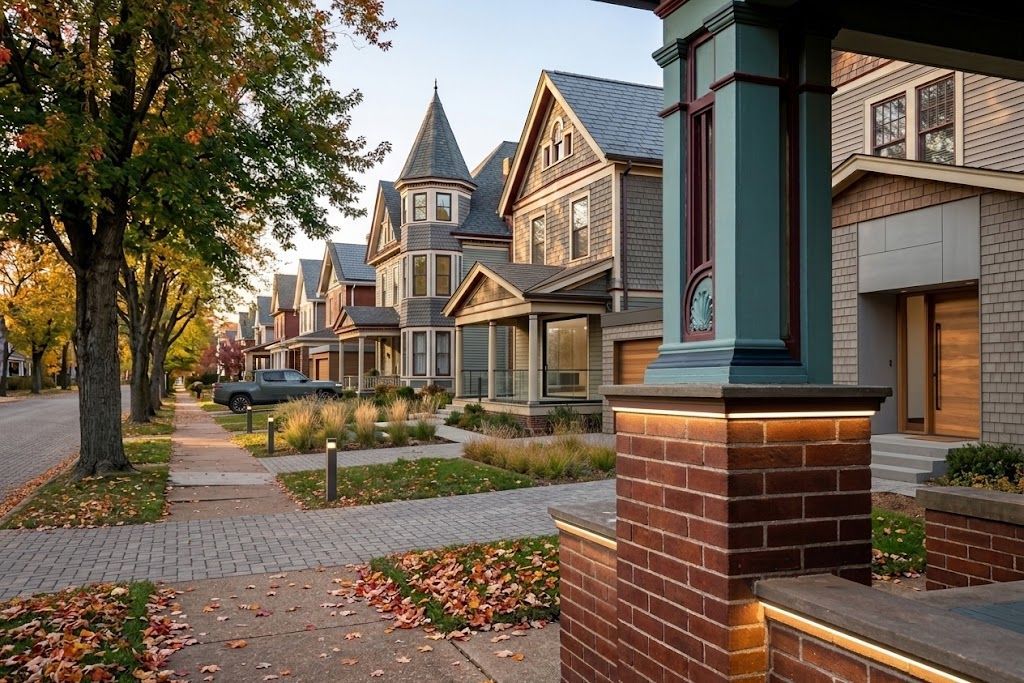
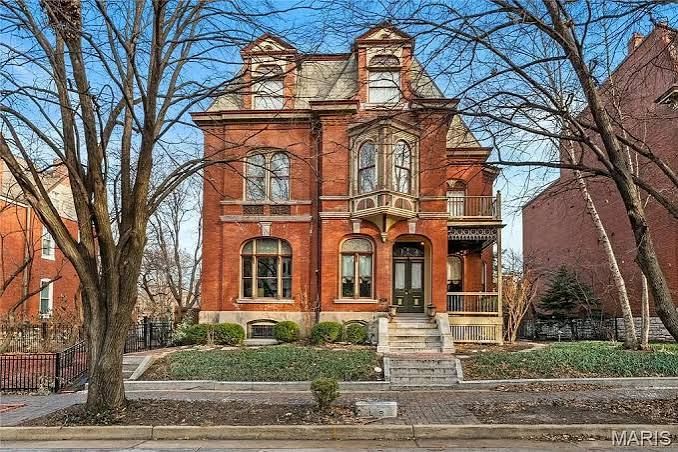
Webster Groves is one of St. Louis's most architecturally rich communities, with historic homes spanning Craftsman bungalows, Queen Anne Victorians, Tudor Revivals, and American Foursquares built between the 1860s and 1920s. The market is competitive, with a median sale price of $424,000 as of March 2026.
What makes historic Webster Groves homes special in the St. Louis real estate market?
Webster Groves stands out in the St. Louis metro for its dense concentration of late-19th and early-20th-century residential architecture, spanning styles from ornate Queen Anne Victorians to Prairie-influenced Craftsman bungalows. As of early 2026, the market remains competitive, with a median sale price of $424,000 and homes going pending in as few as 11 days, according to recent portal data. If you're drawn to a home with real character and history, Webster Groves belongs at the top of your list.
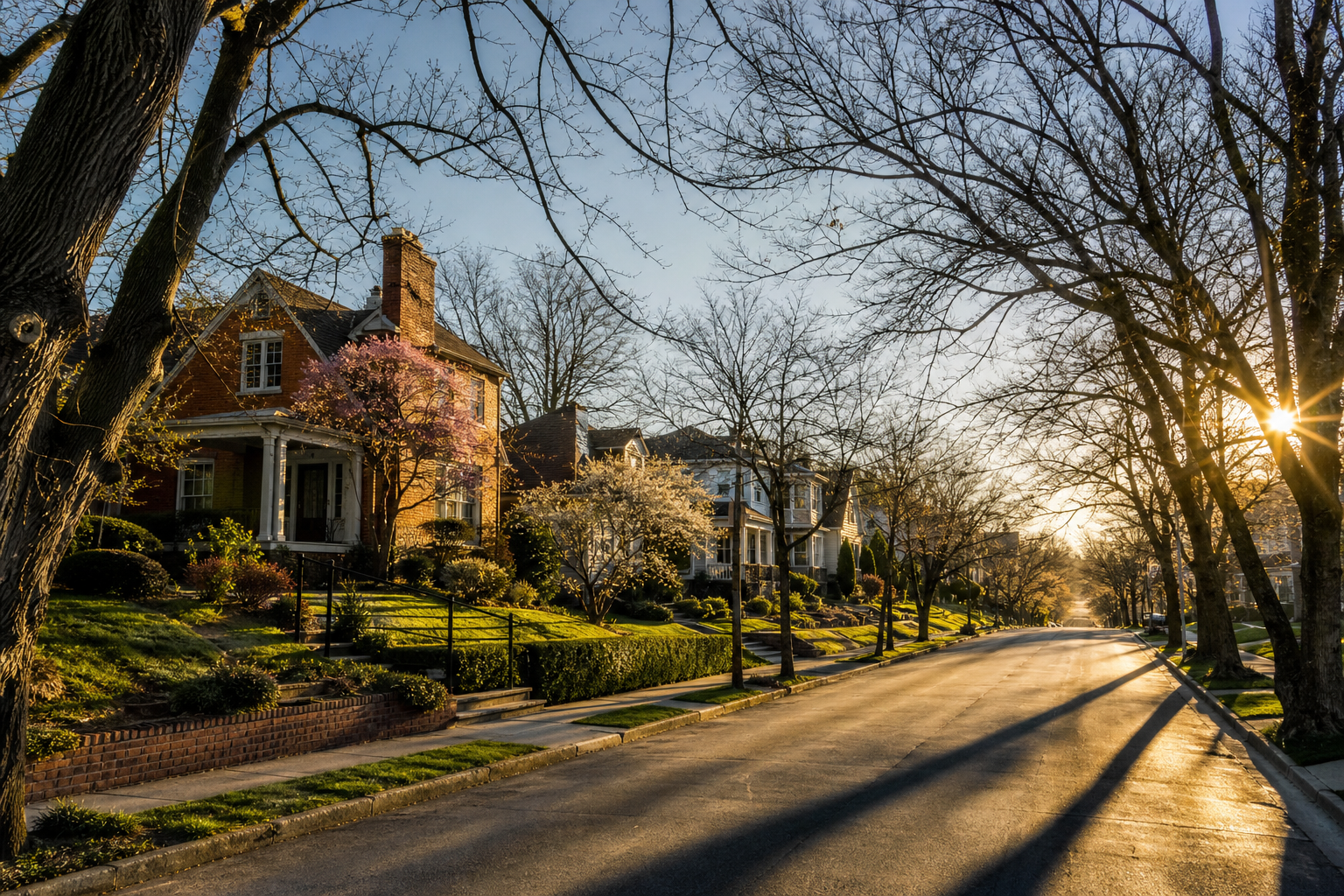
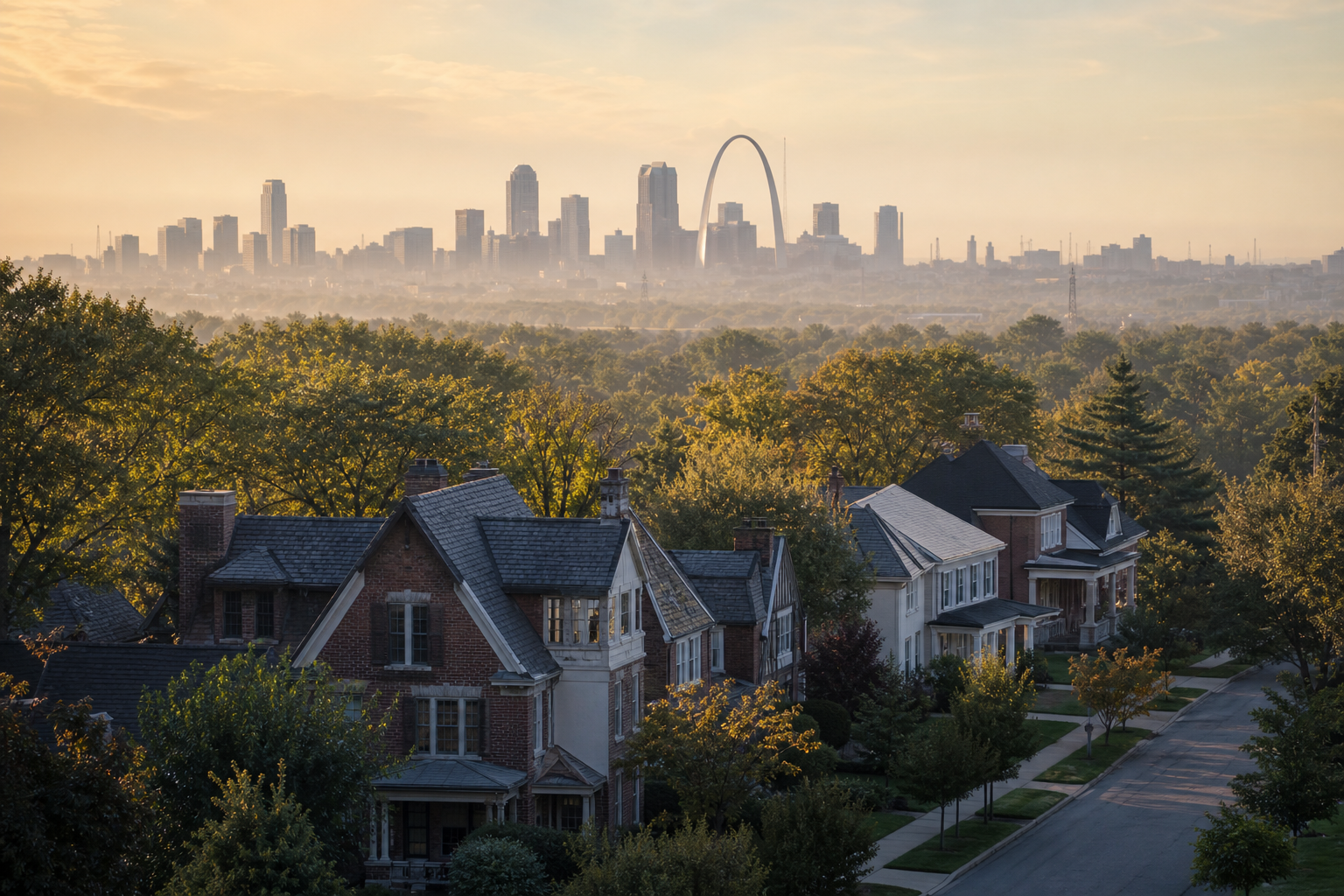
I've walked buyers through dozens of homes in Webster Groves, and the thing that surprises most people is the sheer variety packed into one municipality. You can turn from one block to the next and move from an 1880s frame Victorian on a sprawling lot to a tidy 1920s Craftsman bungalow to a mid-century Tudor Revival, all within walking distance. That's not an accident. It's the result of more than a century of intentional neighborhood-building, and it's a big part of why this community holds its value so well.
The Architectural Landscape: What You'll Actually Find
Webster Groves' historic homes aren't a single style. They're a timeline you can walk through, and understanding that timeline helps you know what you're buying, what to expect for maintenance, and what the historic preservation framework might mean for your renovation plans.
The earliest homes: 1860s through the 1880s
The oldest residential pockets in Webster Groves trace back to the 1860s. A detailed architectural study of the Marshall Place area, documented by St. Louis Patina, describes homes platted as early as 1860, including a simple Italianate house and the Peers Griffith House (built 1867) in a Greek Revival style. These early homes are rare, but they anchor the historical context for everything built after them.
Moving into the 1880s, Northwest Webster developed with what a Missouri State Parks historic buildings survey describes as simple frame Victorian construction on large lots. These are older, often more spacious properties with a different footprint than the denser central neighborhoods built a generation later.
The heart of the historic stock: 1890s through the 1920s
This is the era that defines Webster Groves for most buyers. The Webster Groves Historic Homes walking tours document a remarkable range of styles concentrated in central Webster, Old Webster, and Webster Park, including:
- Queen Anne and Stick-style Queen Anne homes with asymmetric facades, decorative woodwork, and sometimes towers
- Shingle Queen Anne variations with more restrained detailing
- Craftsman bungalows with low-pitched roofs, exposed rafter tails, and wide front porches
- Prairie-influenced designs emphasizing horizontal lines and integration with the landscape
- American Foursquares, boxy and practical, often with a full front porch and dormer windows
- Tudor Revival homes with steeply pitched rooflines and half-timbered detailing
- Victorian Vernacular and Spanish Colonial Revival examples rounding out the mix
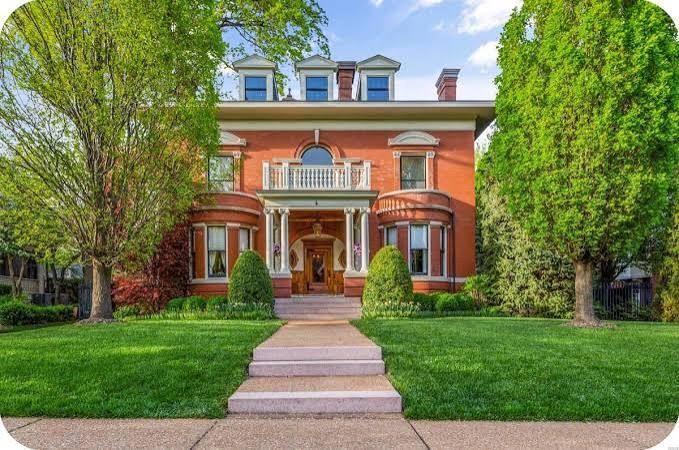
Webster Park in particular is noted for a high concentration of Queen Anne and Tudor Revival homes, often larger and more ornate, on established streets with mature tree canopy. If you want the most architecturally dramatic historic properties, that's where I'd start your search.
Interwar and mid-century additions
As you move into areas developed through the 1940s, 1950s, and 1960s, the palette shifts toward Colonial Revival, later Tudor Revival variations, and eventually mid-century ranch layouts. These homes are still "old" by most standards, but they sit outside the core historic period and typically carry fewer preservation considerations. For buyers who want neighborhood character without the complexity of a designated historic property, this tier can be a practical middle ground.
The Webster Groves Market in 2026
The architectural appeal of Webster Groves isn't just a lifestyle story. It shows up directly in the numbers.
According to Redfin's March 2026 market summary, the median sale price in Webster Groves reached $424,000, up 14.6% year over year, with a median price per square foot of $248. That's a meaningful appreciation jump. For context, a Rocket Homes report from July 2025 showed a median sold price of $415,500, up 6.5% from July 2024, illustrating a consistent upward trend through 2025 and into 2026.
Zillow's snapshot through April 30, 2026 puts the average home value at $443,837, up 3.8% over the prior year, with homes going pending in around 11 days and only 39 homes in for-sale inventory. That's a lean supply picture.
A separate Realtor.com snapshot from around April 2026 showed approximately 50 active listings and a median days on market of about 37 days, reflecting some variation depending on the data source and time period. Across all of these snapshots, the directional story is consistent: low inventory, rising prices, and a market that rewards buyers who are prepared to move quickly.
A note on these figures: Zillow, Redfin, and Realtor.com are private data aggregators, not MLS or government sources. Their numbers give useful directional context, but they can vary from MLS-based statistics. I always recommend running your search against live MLS data, which I can pull for you directly.
| Data Source | Period | Median / Avg Price | Days on Market |
|---|---|---|---|
| Redfin | March 2026 | $424,000 (median sale) | 31 days avg |
| Zillow | Through April 30, 2026 | $443,837 (avg home value) | ~11 days to pending |
| Realtor.com | ~April 2026 | $349,900 (median list price) | ~37 days |
| Rocket Homes | July 2025 | $415,500 (median sold) | N/A |
Sources: Redfin, Zillow, Realtor.com, Rocket Homes. Portal estimates; individual property values vary. Verify current conditions with a local agent and MLS data.
Your specific situation, the home's condition, its location within Webster Groves, and whether it carries any historic designation, all affect what you'll pay and how quickly you need to act. That's exactly the kind of analysis I walk buyers through before they start making offers.
Historic Preservation: What It Means If You Buy Here
This is the part of the Webster Groves story that surprises some buyers, and it's worth understanding before you fall in love with a property.
Webster Groves has a Historic Preservation Commission operating under Chapter 52 of the Webster Groves City Code. For properties within designated landmarks or historic districts, design guidelines govern exterior changes, covering elements like windows, doors, light fixtures, signs, and appurtenant features. The intent is to preserve the historic, architectural, scenic, or aesthetic character of the property and its district.
In practical terms, this means that if you buy a designated historic property and want to replace windows, change siding materials, or alter the front porch, those changes may need to go through a review process for consistency with the property's established architectural character. That's not necessarily a dealbreaker, but it's a factor you want to know about before you buy, not after.
Here's an important distinction I make with every buyer I work with in Webster Groves: not every older home in the city is formally designated. The preservation framework applies specifically to designated landmarks and historic districts. A home that's 100 years old and architecturally interesting may still sit outside that framework, giving you more flexibility for updates, subject to standard zoning and building codes. Understanding which category a specific property falls into is part of the due diligence I help my buyers work through.
The flip side of preservation oversight is real value. Buyers who want a historic neighborhood that will look the same in 20 years as it does today are often drawn specifically to the protected areas of Webster Groves. That consistency is a selling point, and it's part of why the National Association of Realtors consistently identifies historic character as a driver of long-term residential value in established communities.
Frequently Asked Questions
What architectural styles are most common in historic Webster Groves homes?
The most common styles in the historic core of Webster Groves include Craftsman bungalows, Queen Anne Victorians (including Stick-style and Shingle variations), Tudor Revival, American Foursquare, Prairie-influenced designs, and Colonial Revival homes. According to the Webster Groves Historic Homes walking tour documentation, most of these were built between the late 1800s and the 1920s, with earlier Greek Revival and Italianate examples from the 1860s in some areas.
Which Webster Groves neighborhoods have the highest concentration of older Victorian and Queen Anne houses?
Webster Park is consistently noted for a high concentration of Queen Anne and Tudor Revival homes, often larger and more ornate properties on tree-lined streets. The central Webster and "Heart of Webster" areas also have dense clusters of late-19th and early-20th-century homes across multiple styles. Northwest Webster, documented in a Missouri State Parks historic buildings survey, has older frame Victorian homes from the 1880s on larger lots, reflecting an earlier and less dense development pattern.
How does the Webster Groves Historic Preservation Commission affect exterior renovations?
Under Chapter 52 of the Webster Groves City Code, properties within designated landmarks or historic districts are subject to design guidelines when making exterior changes. This can include changes to windows, doors, siding materials, light fixtures, and porch configurations. The review process is intended to ensure changes are consistent with the property's historic character. Not every older home in the city is formally designated, so the level of oversight varies by property.
How competitive is the Webster Groves housing market for historic homes right now?
The market is competitive heading into late summer 2026. Zillow data through April 30, 2026 shows homes going pending in around 11 days with only 39 homes in active inventory, and Redfin's March 2026 data shows a median sale price of $424,000, up 14.6% year over year. Low supply and strong demand for homes combining historic character with updated interiors have created multiple-offer conditions on well-priced listings. Your best move is to get pre-approved and work with someone who knows which properties are likely to move fast.
How have Webster Groves home prices changed from 2025 to early 2026?
The trend has been consistently upward. A Rocket Homes report from July 2025 showed a median sold price of $415,500, up 6.5% from July 2024. By March 2026, Redfin reported a median sale price of $424,000, up 14.6% year over year. These are portal-based estimates and individual results vary, but the directional picture across multiple sources points to steady appreciation through this period.
Webster Groves is one of the most architecturally distinctive communities in the St. Louis metro, and it's a market where the details matter. Knowing the difference between a designated historic property and a simply old one, understanding which neighborhoods carry which styles, and moving quickly in a low-inventory environment are all things I help my buyers get right from the start.
If you're thinking about buying in Webster Groves, let's talk. I can walk you through current listings, explain what the preservation framework means for any specific property you're considering, and help you put together an offer that's competitive in this market. Call me at 314-374-3069 or send me an email to get started.
About Cheryl Carosone, Realtor
Cheryl Carosone is a St. Louis-area Realtor serving buyers and sellers across St. Louis City, St. Louis County, St. Charles County, and Jefferson County. With a focus on single-family homes and condos in communities like Oakville, Arnold, Chesterfield, and Webster Groves, Cheryl brings local expertise and personalized service to every transaction under her Campbell House and Home brand.
Campbell House and Home | 314-374-3069
Equal Housing Opportunity. Cheryl Carosone, Realtor, Missouri Real Estate License #2024033029. Regulated by the Missouri Real Estate Commission (MREC). Member: NAR, MARIS. This article is general information only and does not constitute legal, tax, or financial advice. Verify all figures, preservation requirements, and transaction costs with your attorney, tax advisor, lender, or closing officer.