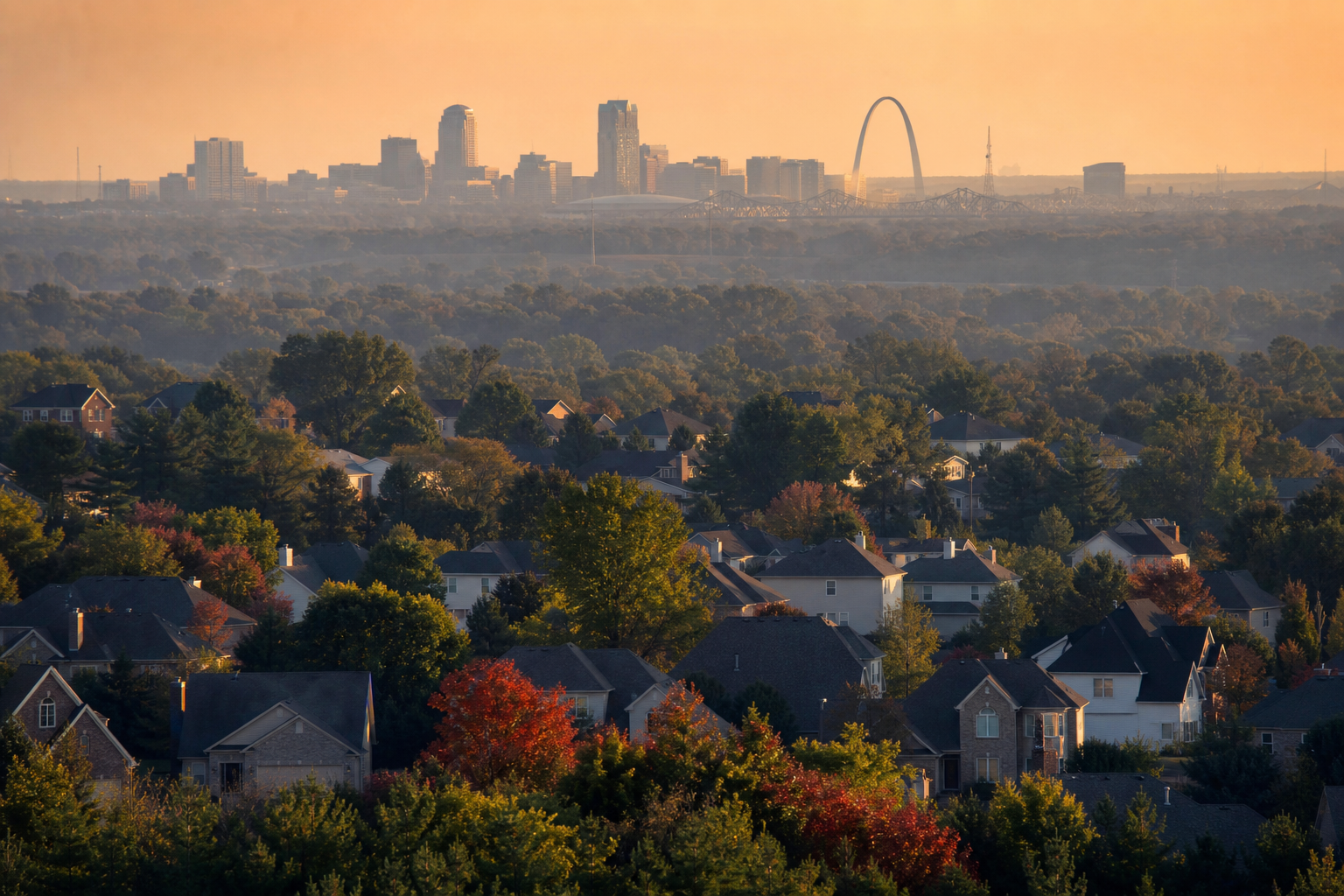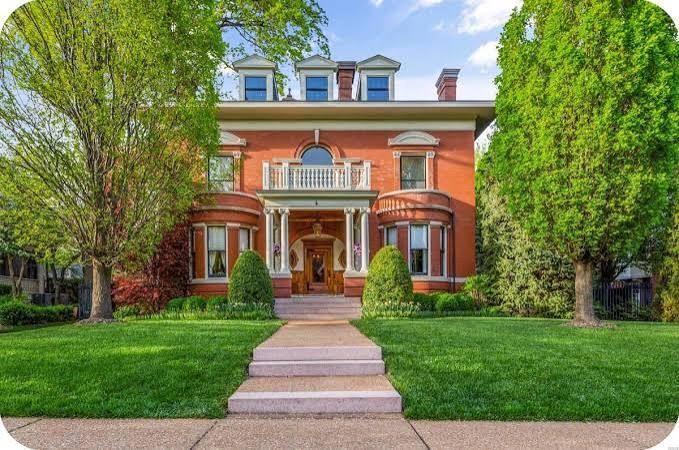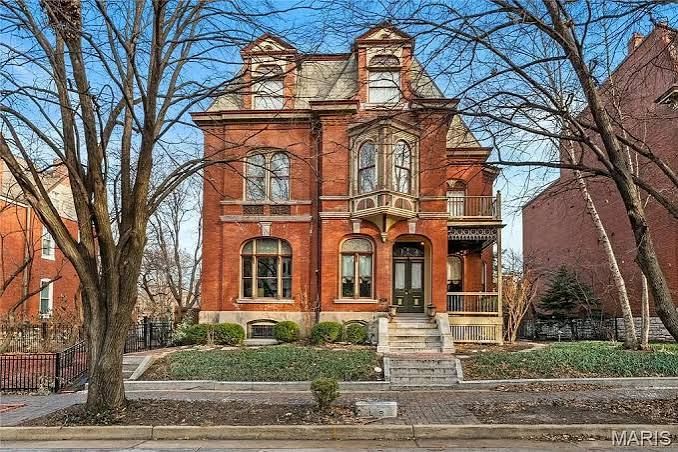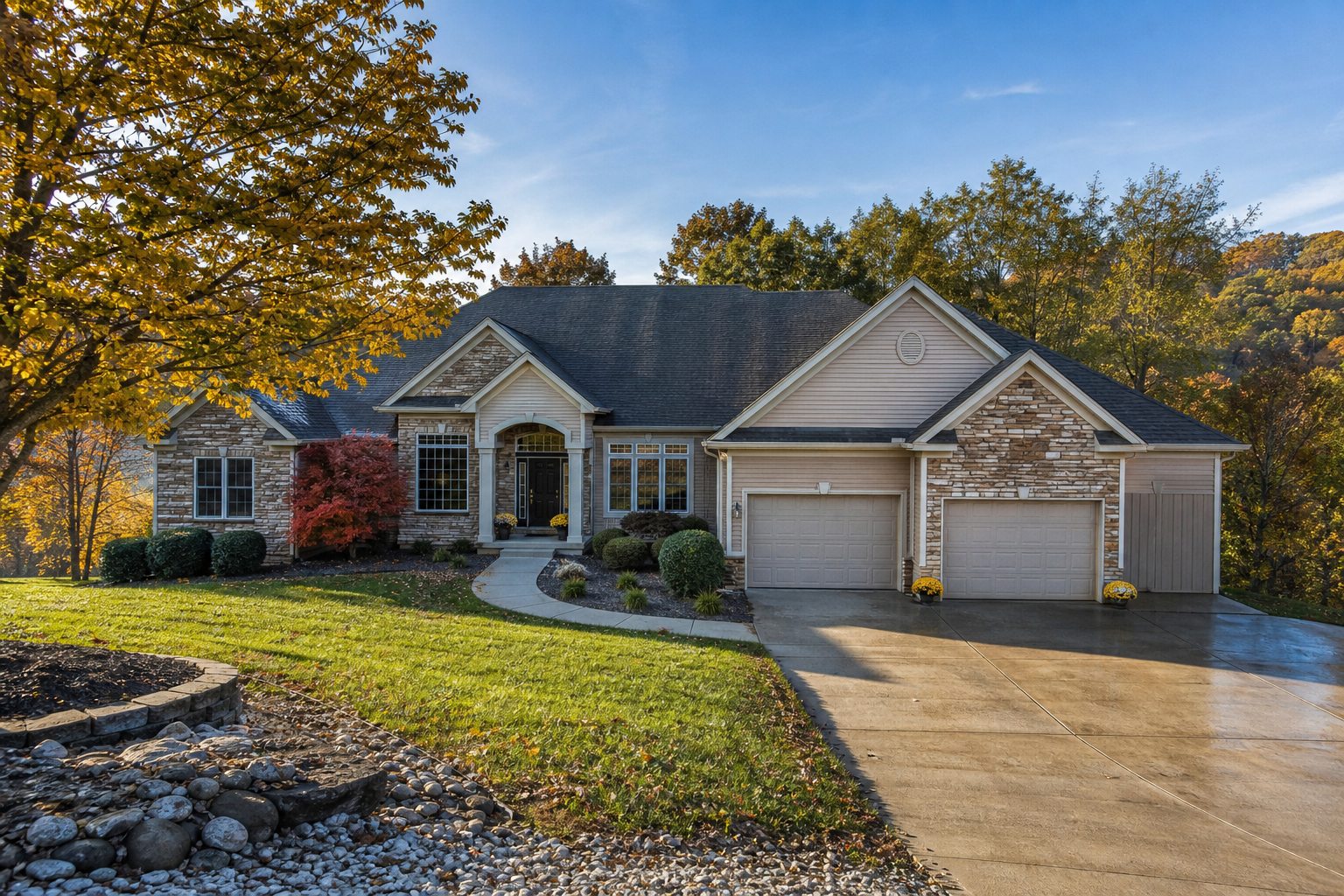
Something subtle is happening in the St. Louis housing market.
Homes are still selling. Prices are still rising in many neighborhoods. But the pace of the market and the behavior of buyers and sellers are beginning to change.
The St. Louis market isn’t collapsing. Instead, it’s entering a new phase where strategy, location, and pricing matter more than they did just a few years ago.
Understanding what’s changing can help buyers, sellers, and investors make smarter decisions moving forward.
The Data: What the Numbers Say About the St. Louis Market
Recent housing data shows that the market remains strong, but the dynamics are shifting.
Recent reports indicate:
- The median home price in St. Louis reached about $223,500 in early 2026, up 8.2% year-over-year.
- The median sale price across the broader metro area is roughly $265,800–$273,800, reflecting modest annual appreciation.
- Homes are taking around 46 days to sell, compared with slightly faster timelines in recent years.
- Active inventory in the metro area has increased to about 7,500 homes, an 8.9% increase year-over-year.
These numbers reveal an important trend.
Prices are still rising, but buyers are becoming more selective and inventory is slowly increasing.
That combination typically signals a market moving toward balance rather than rapid escalation.
Why the St. Louis Market Remains Fundamentally Strong
Even as conditions evolve, several long-term factors continue supporting the St. Louis housing market.
Affordability Compared to Other U.S. Cities
St. Louis remains one of the most affordable large metro areas in the country.
Median home prices in the region remain significantly lower than the national median, which helps attract buyers relocating from more expensive markets.
Housing affordability has even improved recently. Mortgage payments now represent roughly 25% of the typical household income in the region, below the commonly cited affordability threshold of 30%.
This affordability advantage is a major reason demand continues across the metro area.
A Stable Economic Foundation
The St. Louis economy benefits from large, stable employment sectors including:
- Healthcare and medical research
- Aerospace and manufacturing
- Higher education
- Financial services
Major employers such as BJC HealthCare, Washington University, Boeing, and Edward Jones provide steady job creation and workforce stability, which helps sustain long-term housing demand.
Where the Market Is Growing
One of the most important shifts happening in St. Louis is how localized the housing market has become.
Instead of moving uniformly across the region, growth is increasingly concentrated in specific neighborhoods.
Areas seeing strong buyer demand typically offer:
- walkability
- historic architecture
- proximity to job centers
- restaurants and lifestyle amenities
Several neighborhoods benefiting from these trends include:
Tower Grove South and Tower Grove East
Historic homes and proximity to Tower Grove Park continue attracting buyers seeking walkable city neighborhoods.
The Grove and Botanical Heights
These areas benefit from proximity to the expanding Cortex Innovation District, which has become a major technology and research hub.
Benton Park and Benton Park West
Historic housing stock combined with continued renovation activity has helped drive interest among both homeowners and investors.
Lafayette Square
One of the most architecturally distinctive neighborhoods in the city, Lafayette Square continues seeing stable demand.
Suburban Markets With Strong Momentum
Growth is not limited to the city.
Several suburban areas continue attracting buyers seeking larger homes and newer construction.
Notable growth areas include:
- St. Charles County communities such as O’Fallon and Wentzville
- West County markets including Chesterfield and Ballwin
- Jefferson County, where affordability continues drawing buyers outward from the metro core
These areas benefit from expanding infrastructure, schools, and housing developments.
Areas That May See Slower Appreciation
While many neighborhoods continue gaining momentum, others may experience slower growth.
Older housing stock that requires significant updates may face stronger competition from renovated homes or new construction.
Some higher-priced luxury markets may also see longer selling timelines when mortgage rates affect affordability.
Data already shows homes taking slightly longer to sell compared with the fastest pandemic-era markets.
This does not necessarily indicate decline — it often reflects a healthier and more sustainable market pace.
First-Hand Market Insight From the Field
From a day-to-day perspective working with buyers and sellers in the St. Louis market, several trends are becoming increasingly noticeable.
Buyers are asking more detailed questions about property condition, long-term maintenance costs, and neighborhood dynamics.
Sellers who price homes realistically and prepare their properties well still attract strong interest. However, homes that are priced aggressively without updates are often seeing fewer showings and longer time on the market.
In many cases, homes that are priced correctly are still selling quickly, while overpriced homes are sitting.
That contrast did not exist as clearly during the height of the pandemic housing boom.
What This Means for Buyers
For buyers, the current market environment may offer more opportunities than in recent years.
Competition remains in desirable neighborhoods, but many buyers are seeing:
- fewer bidding wars
- more negotiation flexibility
- slightly longer decision timelines
Well-priced homes still move quickly, but buyers now have more space to evaluate options.
What This Means for Sellers
For sellers, preparation and pricing strategy are becoming more important again.
Homes that show well, offer modern updates, and are priced correctly tend to perform best.
Properties that require significant updates or are priced above comparable homes may take longer to sell as buyers evaluate more options.
What This Means for Investors
St. Louis continues attracting investors due to relatively affordable acquisition prices and strong rental demand.
Rental prices in the region continue trending upward, with average rents increasing roughly 4% year-over-year in early 2026.
Investors increasingly focus on neighborhoods experiencing redevelopment or proximity to major employment hubs.
Location selection has become far more important than simply purchasing low-cost properties.
The Bottom Line
The St. Louis housing market is not entering a downturn.
Instead, it is transitioning into a more balanced and neighborhood-specific market.
Prices continue rising in many areas, but buyer behavior, inventory levels, and pricing strategies are evolving.
For buyers, sellers, and investors alike, understanding these shifts — and how they vary by neighborhood — can make a meaningful difference in real estate decisions.
About the Author
Cheryl Carosone, Realtor®
Campbell House & Home | St. Louis, Missouri
Cheryl Carosone works with buyers, sellers, and investors throughout the St. Louis metropolitan area. Her approach combines local market analysis, strategic pricing insights, and modern marketing strategies to help clients navigate changing housing conditions.
Through her website and local market updates, Cheryl regularly analyzes housing trends across St. Louis City, St. Louis County, St. Charles County, and Jefferson County.
Homeowners considering selling can request a custom home value analysis at CherylCarosone.Realtor.